I'm a web developer and ui/ux designer who focuses on crafting digital experiences that are both visually engaging and easy to use. I enjoy working in the space where creativity meets problem-solving — where imagination becomes something tangible and functional. I use my versatile experiences in visual design, motion design, illustration, and web development to create unique designs and interfaces that truly stand out.
I’m currently finishing my BFA in Digital Media & Design at the University of Connecticut, where I concentrate in Web and Interactive Media. I’ve been exploring the world of design for as long as I can remember — starting with simple graphic design projects in middle school and growing into brand design, illustration, motion, ui/ux, and web development over the years, just to name a few. I’ve been lucky to learn from some incredible mentors along the way, and those early experiences really shaped how I think about creativity: not just as self-expression, but as a way to communicate ideas clearly and meaningfully.
When I work on a project, I like to approach it with curiosity and experimentation. I’ve always enjoyed finding unique, unexpected ways to design something — solutions that still feel intuitive and user-focused, but have a bit of personality to them. Whether it’s developing a polished web app or building out a visual identity, I love the process of shaping ideas into something tangible and functional. That balance between creativity and problem-solving is where I do my best work.
Outside of design, I’m almost always working on something creative — drawing, making music, writing, or exploring photography whenever I travel. Those different outlets all feed into how I think and create; they keep me curious and constantly looking for new perspectives. I’ve found that no matter what I’m making, it’s the act of creating — of trying something new and seeing it come to life — that keeps me inspired.
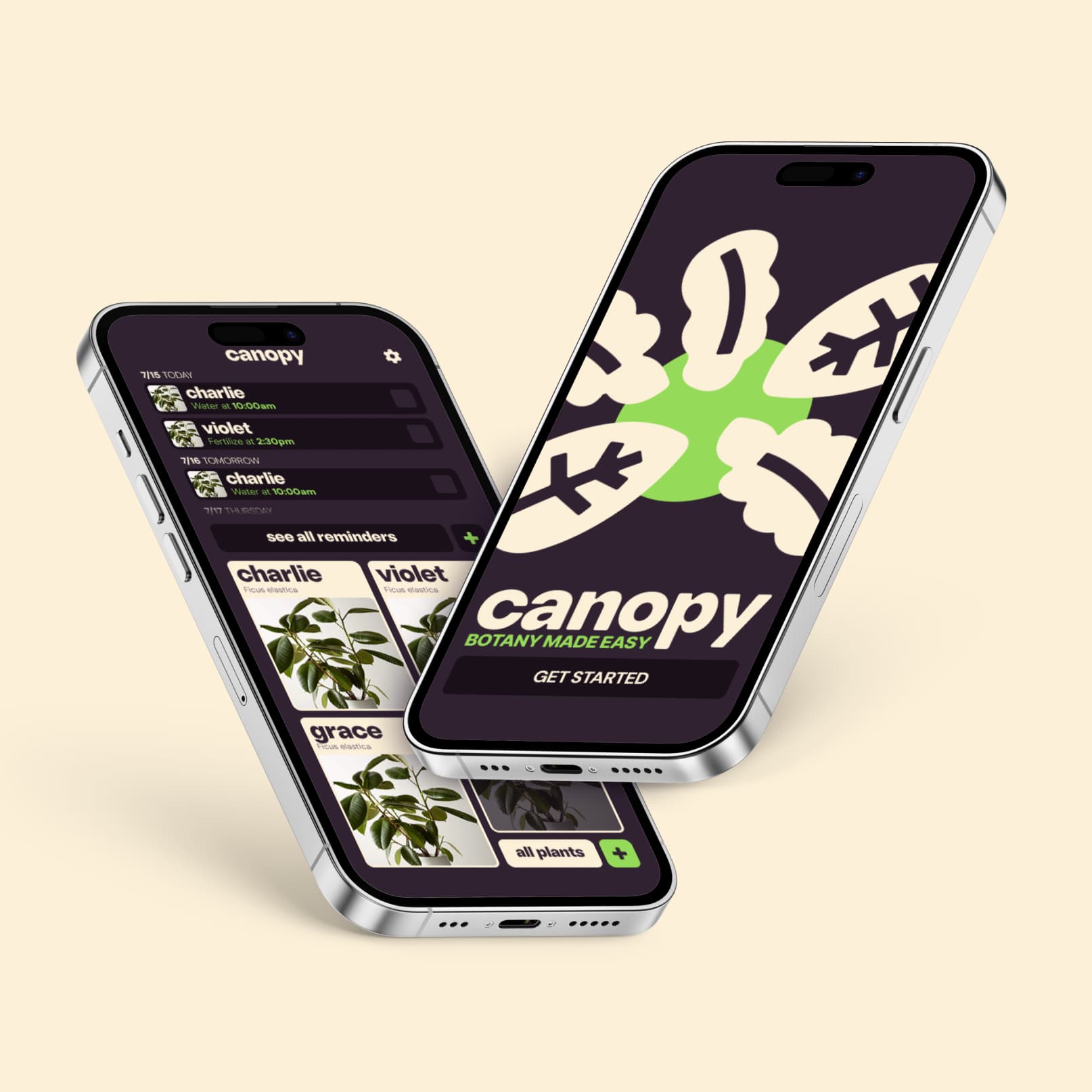
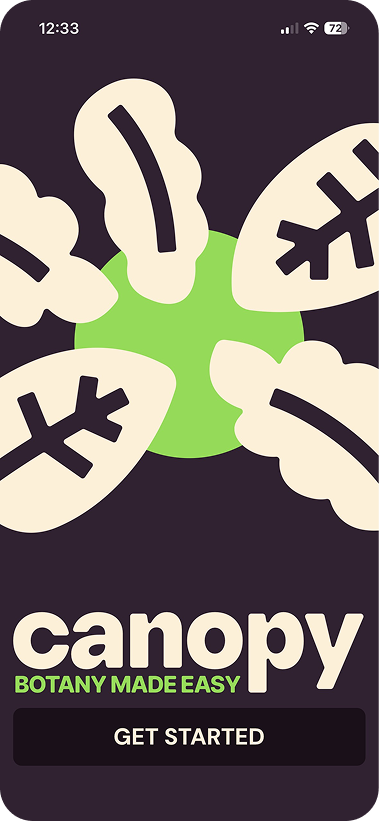
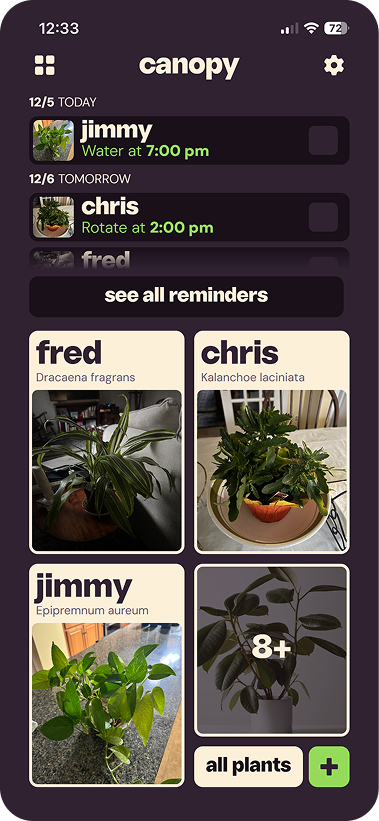
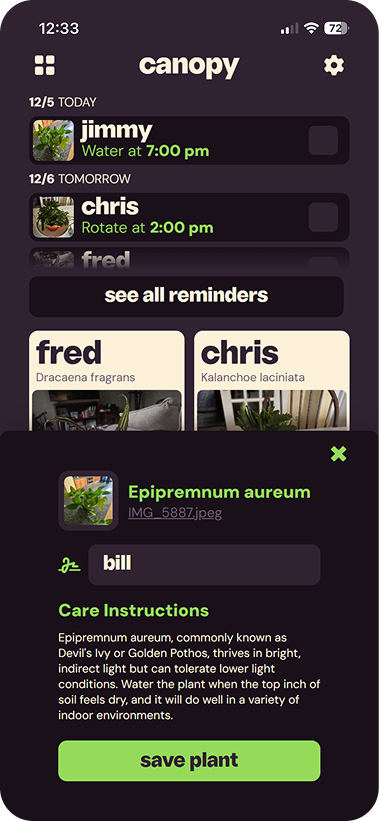
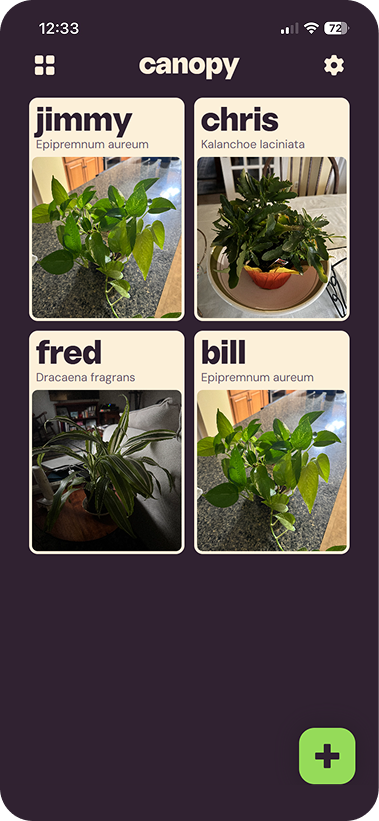
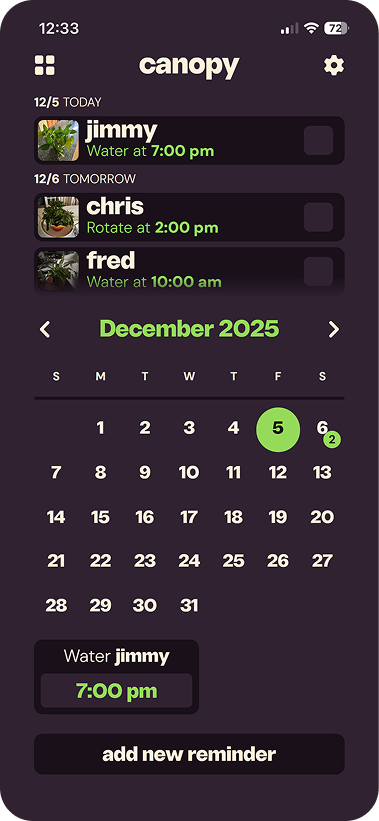
I have always loved nature, but I often found myself overwhelmed by the details of plant care. Each species seems to come with its own rules; how often to water, how much sunlight is enough, when to re-fertilize, and how to recognize when something is wrong. All of these factors deterred me from getting some I would just eventually kill, despite my desire to grow plants myself. This personal struggle led me to create Canopy. As a plant lover and designer, I wanted to create something that would make caring for plants feel less intimidating and more inviting. Canopy is an app designed to help people bring more nature into their daily lives by simplifying the process of plant care. With Canopy, users can take a picture of any plant and receive instant identification along with tailored care instructions. Beyond just information, the app encourages an ongoing relationship between the user and their plants: plants can be saved to a personal collection, their growth tracked over time, and their health checked if something seems off. Users can also add notes, set reminders for watering or fertilizing, and build a personalized record of their plants.
I wanted to design a tool that transforms plant care from something stressful into something approachable, rewarding, and even joyful. By lowering the barrier to entry, Canopy not only supports those who already enjoy plants but also invites new people to experience the benefits of caring for living things in their own spaces. My hope is that Canopy encourages users to see plants not just as decorations, but as living companions that enrich our environments, connect us to nature, and remind us to slow down and nurture growth in small, meaningful ways.
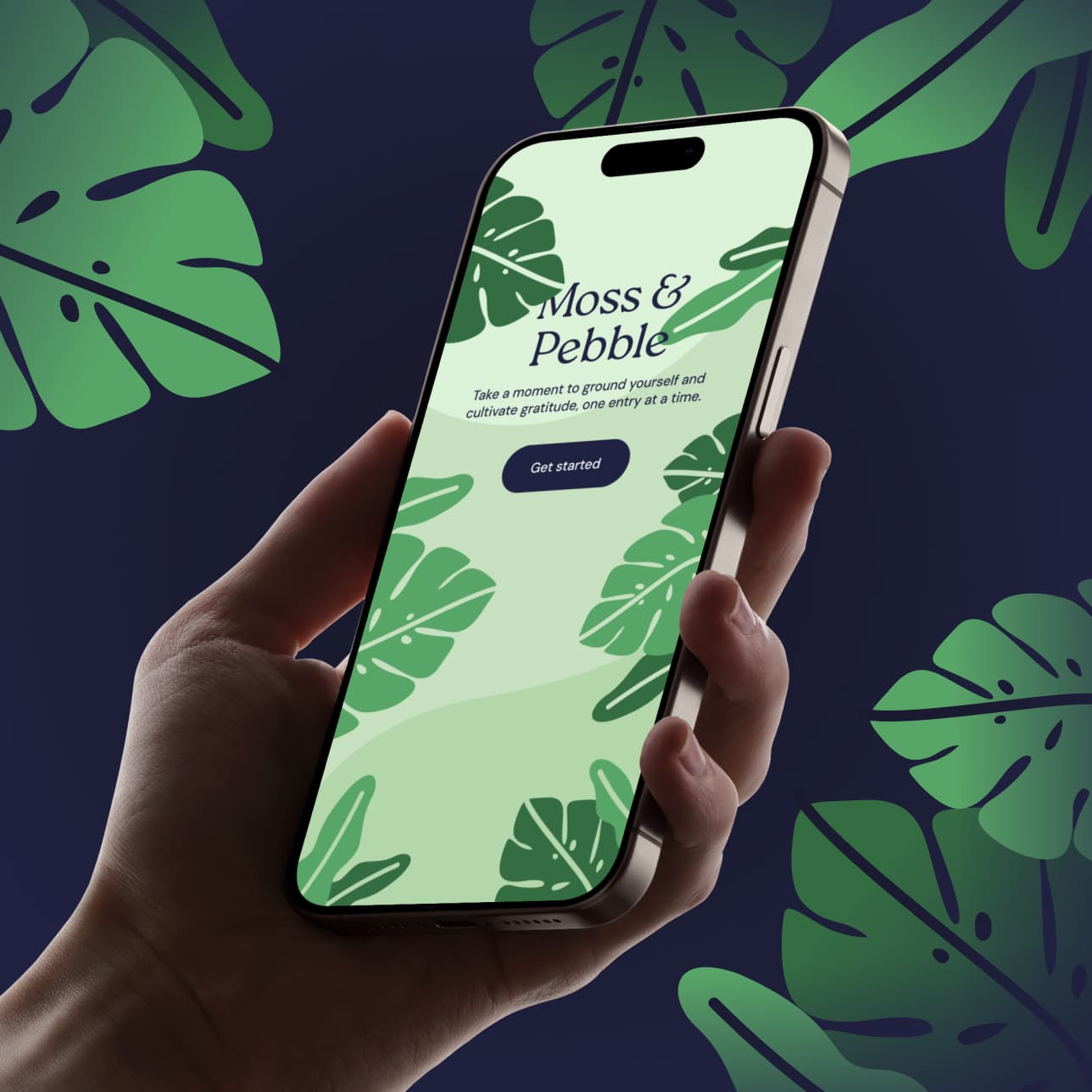
Moss & Pebble was a conceptual gratitude journaling app I designed myself. The main goal behind the design was to make an intuitive interface while still providing a unique visual identity. I wanted to simplify the page interactions to prevent users from getting distracted or overwhelmed, so all the content within the app is contained within the three tabs on the bottom of the screen. For the design itself, I wanted to continue with the theme of simplicity and lack of distractions without removing all life from the design. I wanted the topography and subtle illustrations to create a calming, natural look without overloading the pages. The interactions are simple as well, trading fancy animations for satisfying and brief transitions.
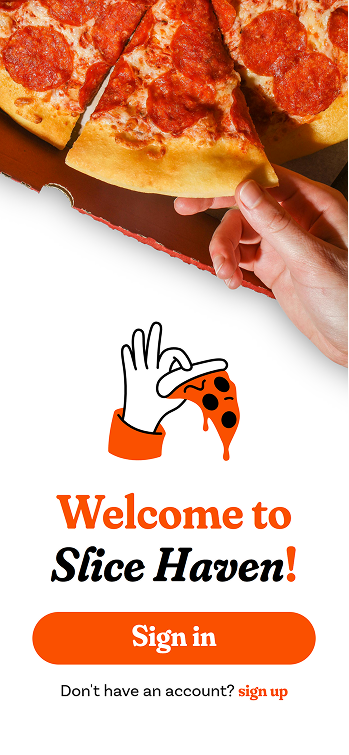
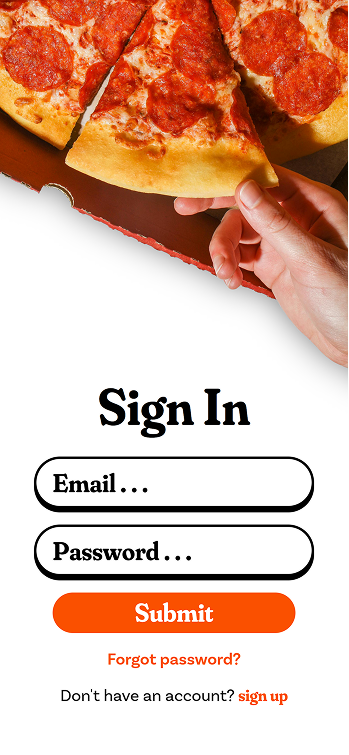
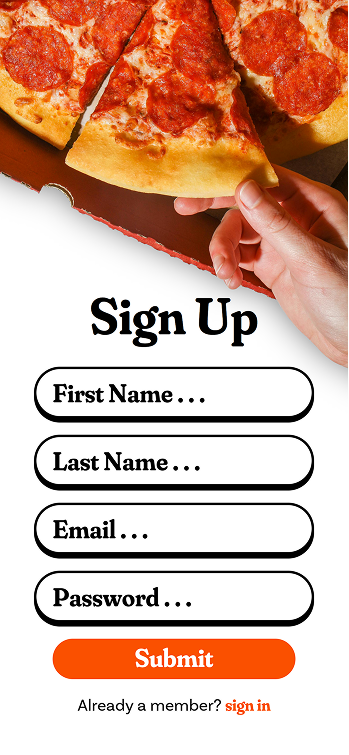
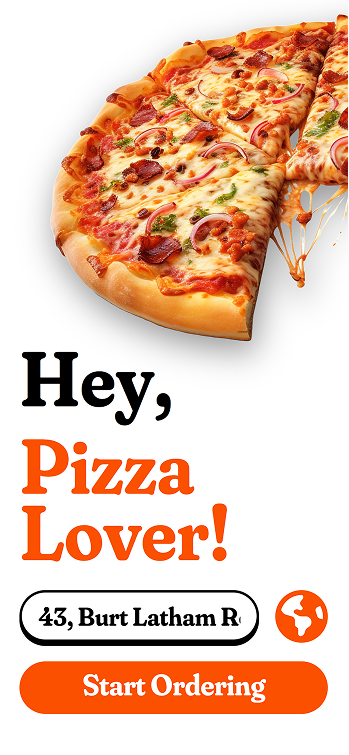
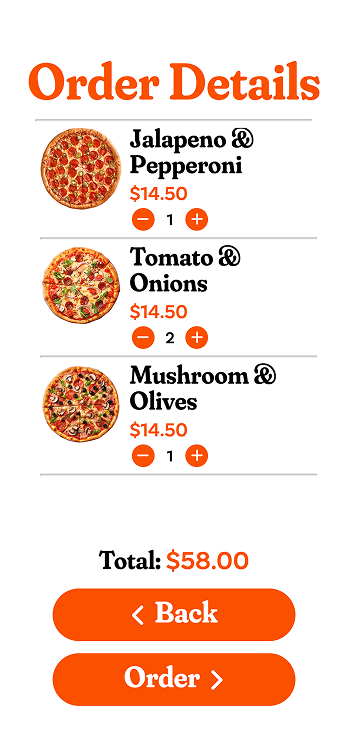
Slice Haven was a design and development project I worked on while exploring different web API functionalities. For this project, I primarily focused on utilizing the geolocation API to create a conceptual pizza delivery app. I coded the front end in HTML and CSS, then used JavaScript for the API functions and the rest of the app logic. Being more of a development project, I decided to lean more into minimalism for the aesthetic, though I did want to have some interesting visual elements, like my illustrated logo, or the unique pizza selection interaction.
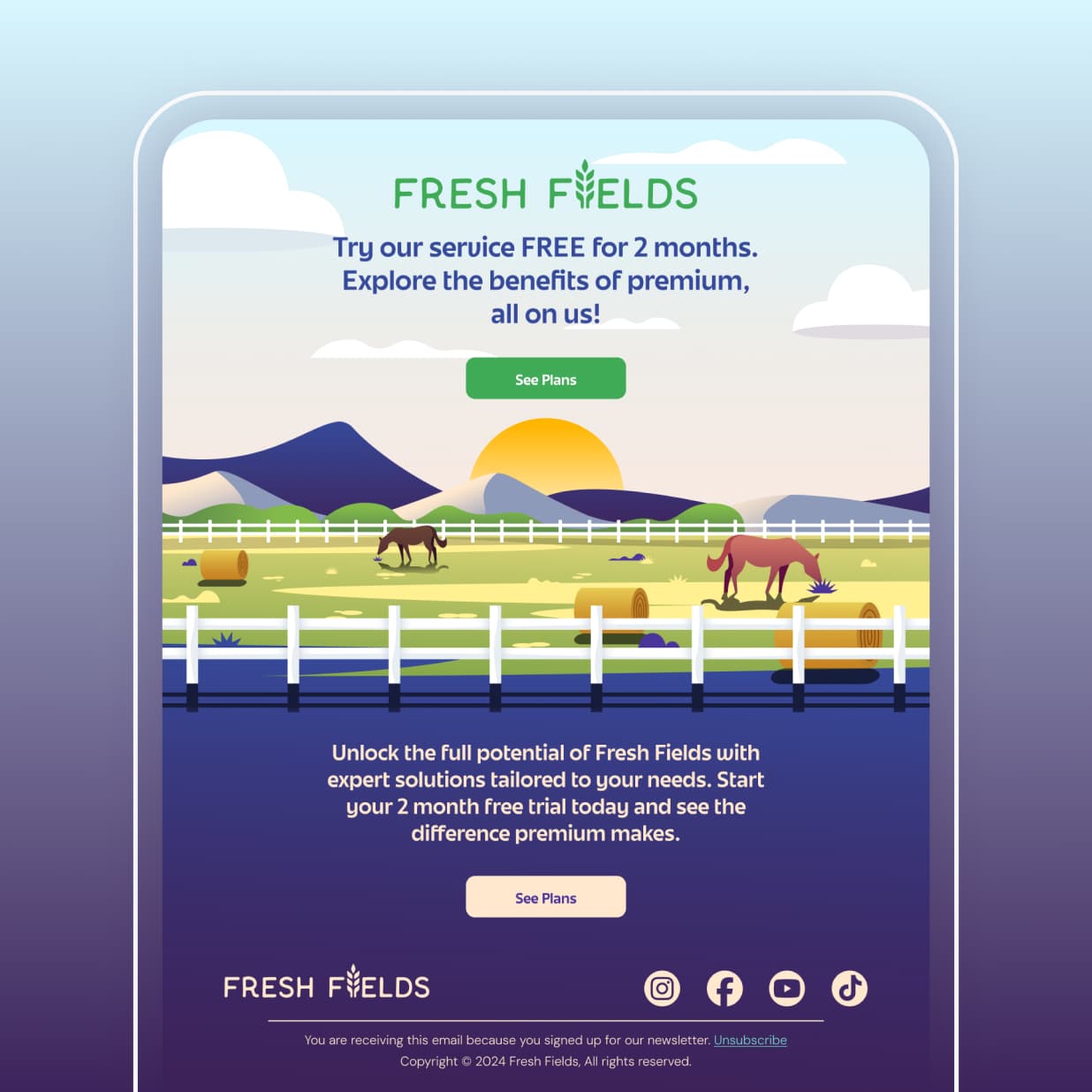
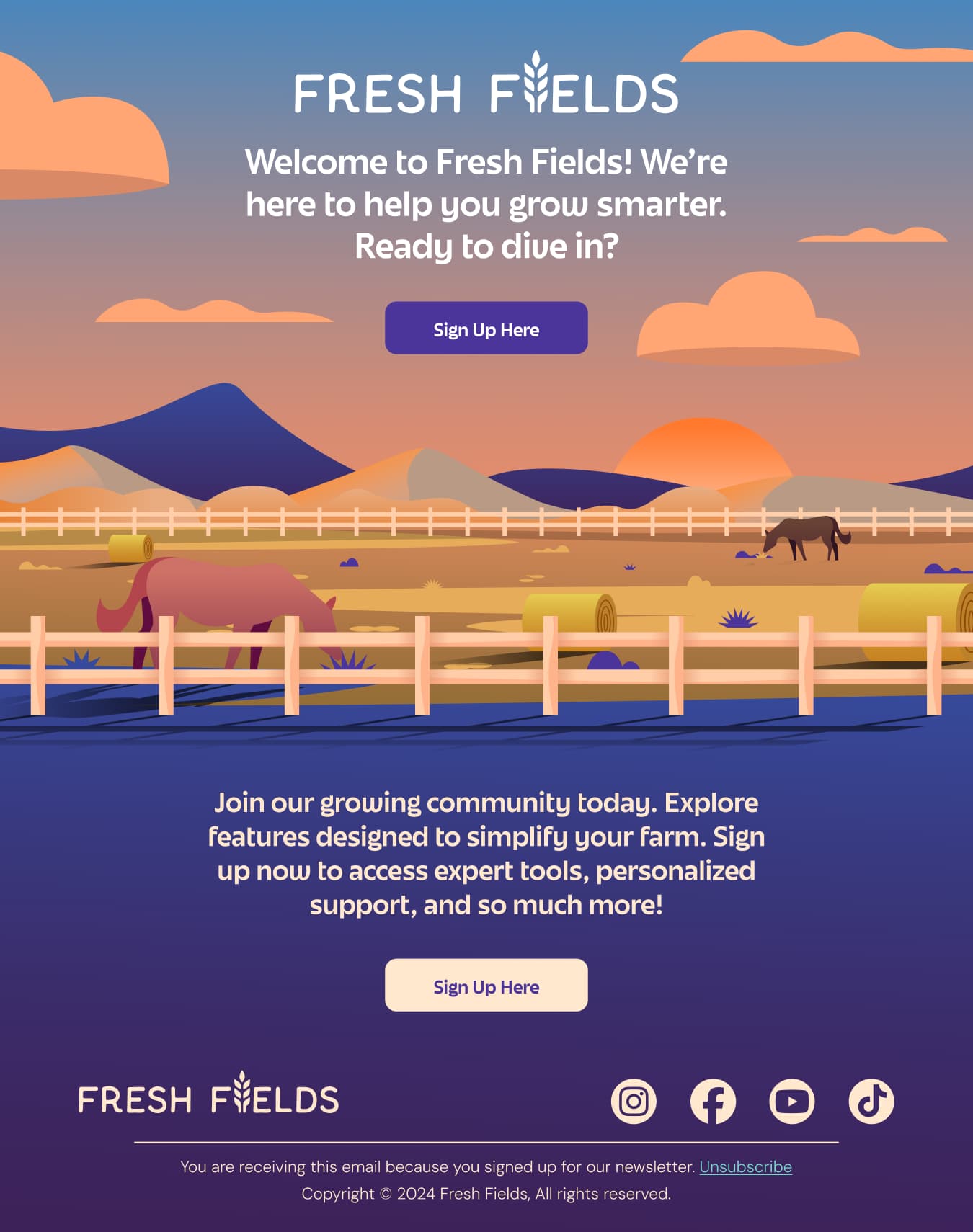
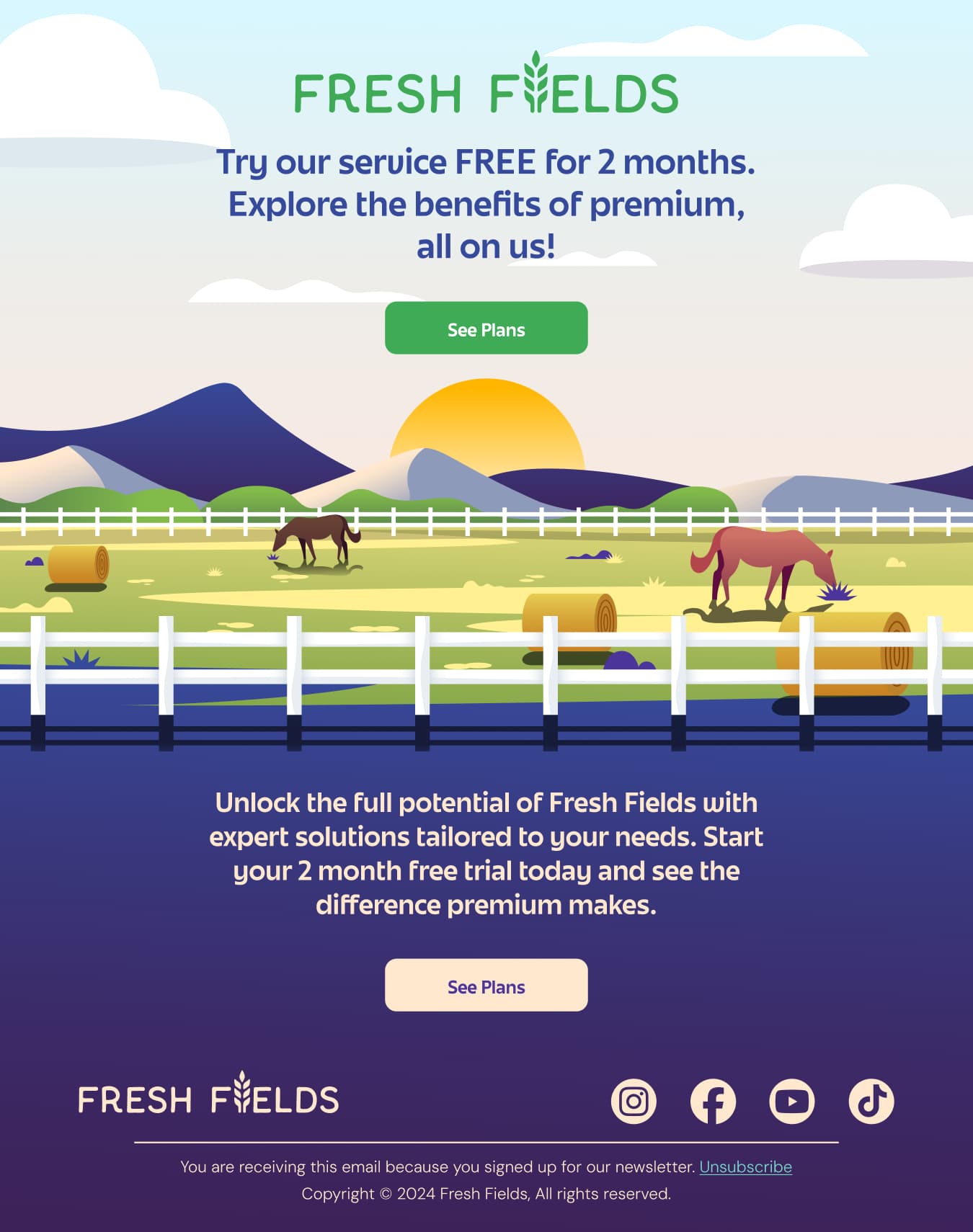
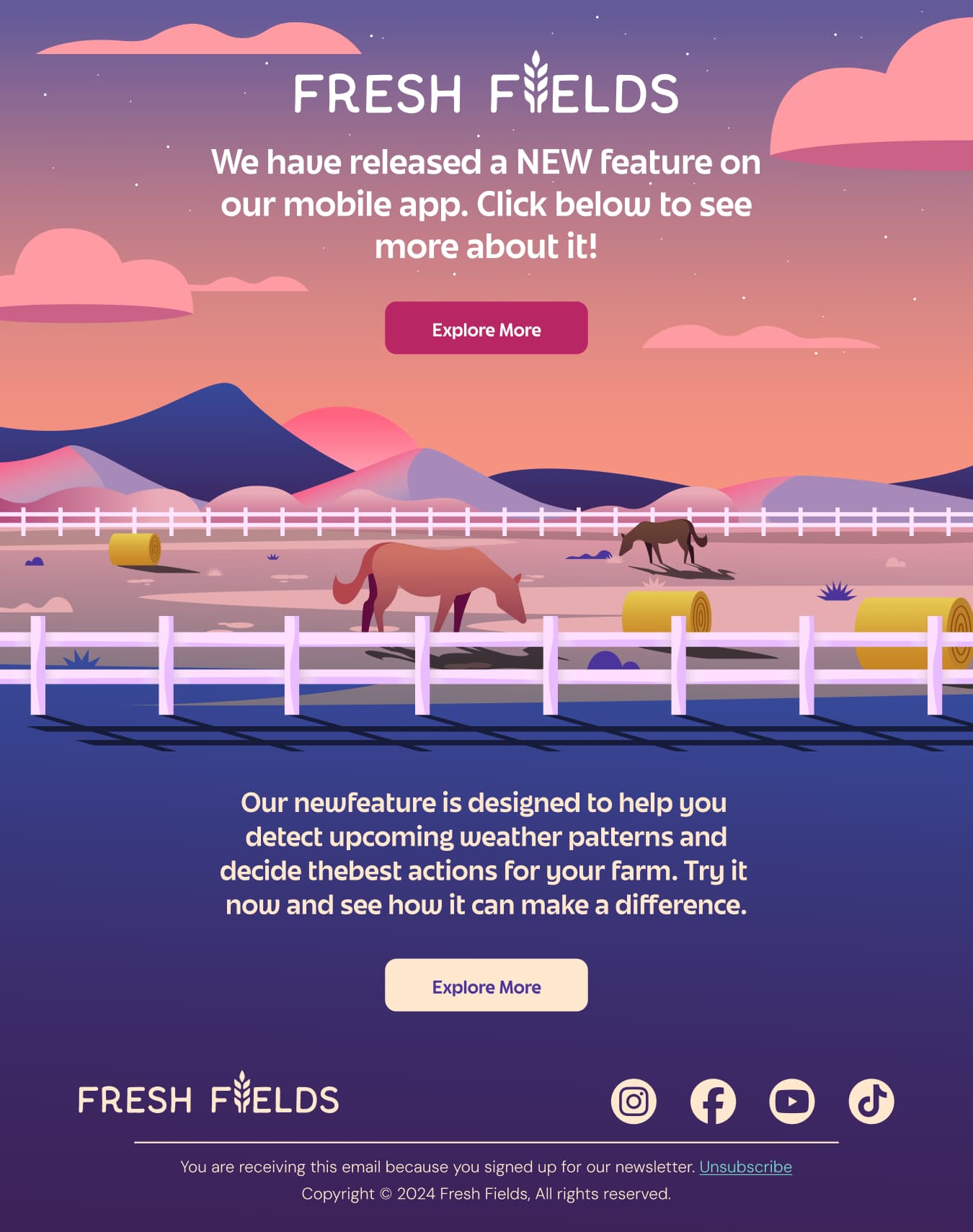
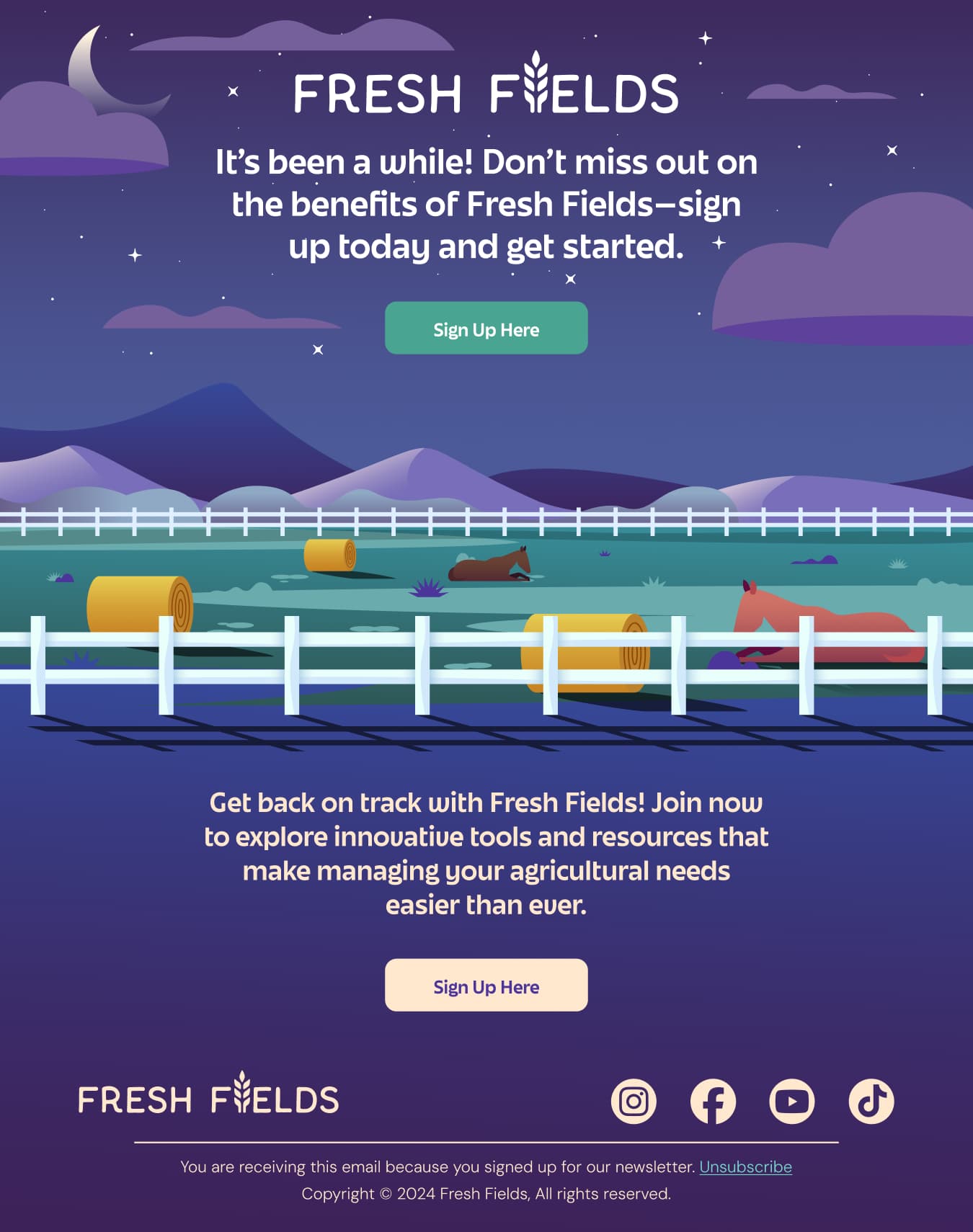
Fresh Fields was an email campaign I created for a conceptual agricultural newsletter. For this project, I wanted to focus more on illustrating interesting visuals and having them serve as the backdrop for the email campaign. The four separate designs evoke different meanings related to the time of day portrayed in the illustrations, including Dawn, Noon, Dusk, and Night time.
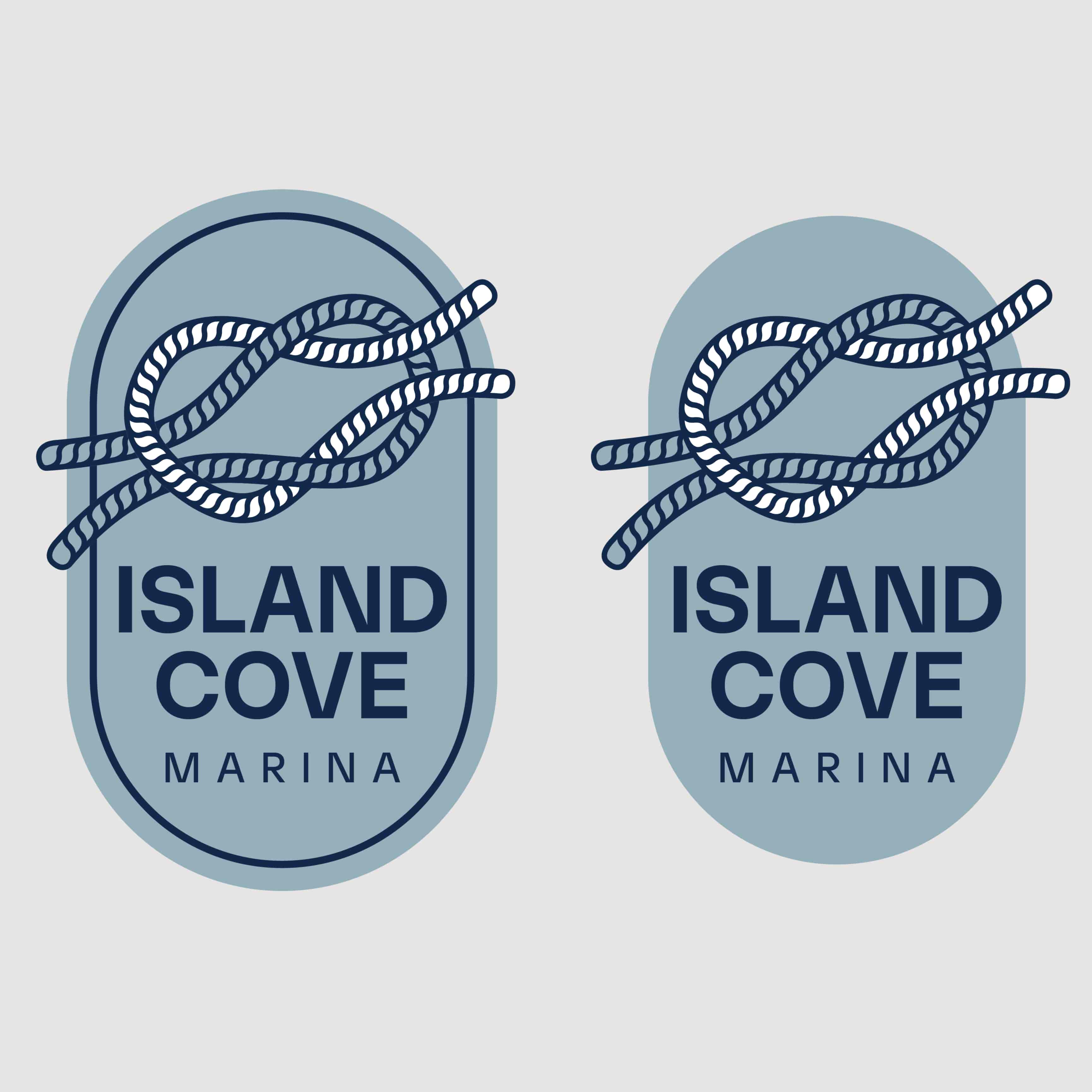
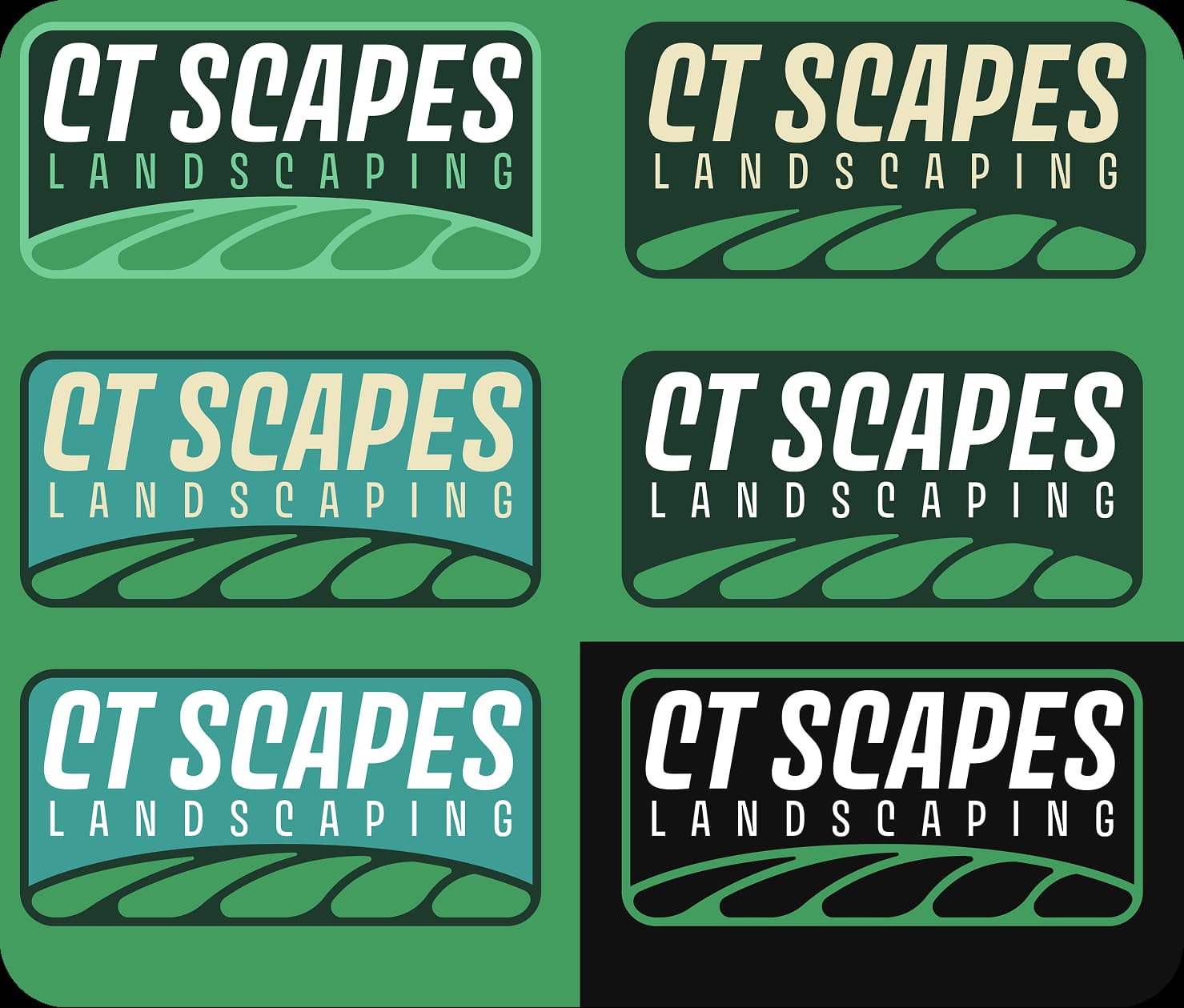
Before I began developing their website, Island Cove Marina asked me to reconsider their logo briefly, and this serves as one of the concepts I enjoyed the most. For this version, I decided to try out a badge-style design to make it more usable across their company, as one of their major complaints with the existing one was that they couldn’t use it in smaller contexts, like on social media for example. I wanted to create a more professional aesthetic, and I got the idea to include a square knot (or reef knot), which is used for reefing sails on smaller sail boats. Though eventually they decided to stick with their current one, I still am very satisfied with how this concept came out.
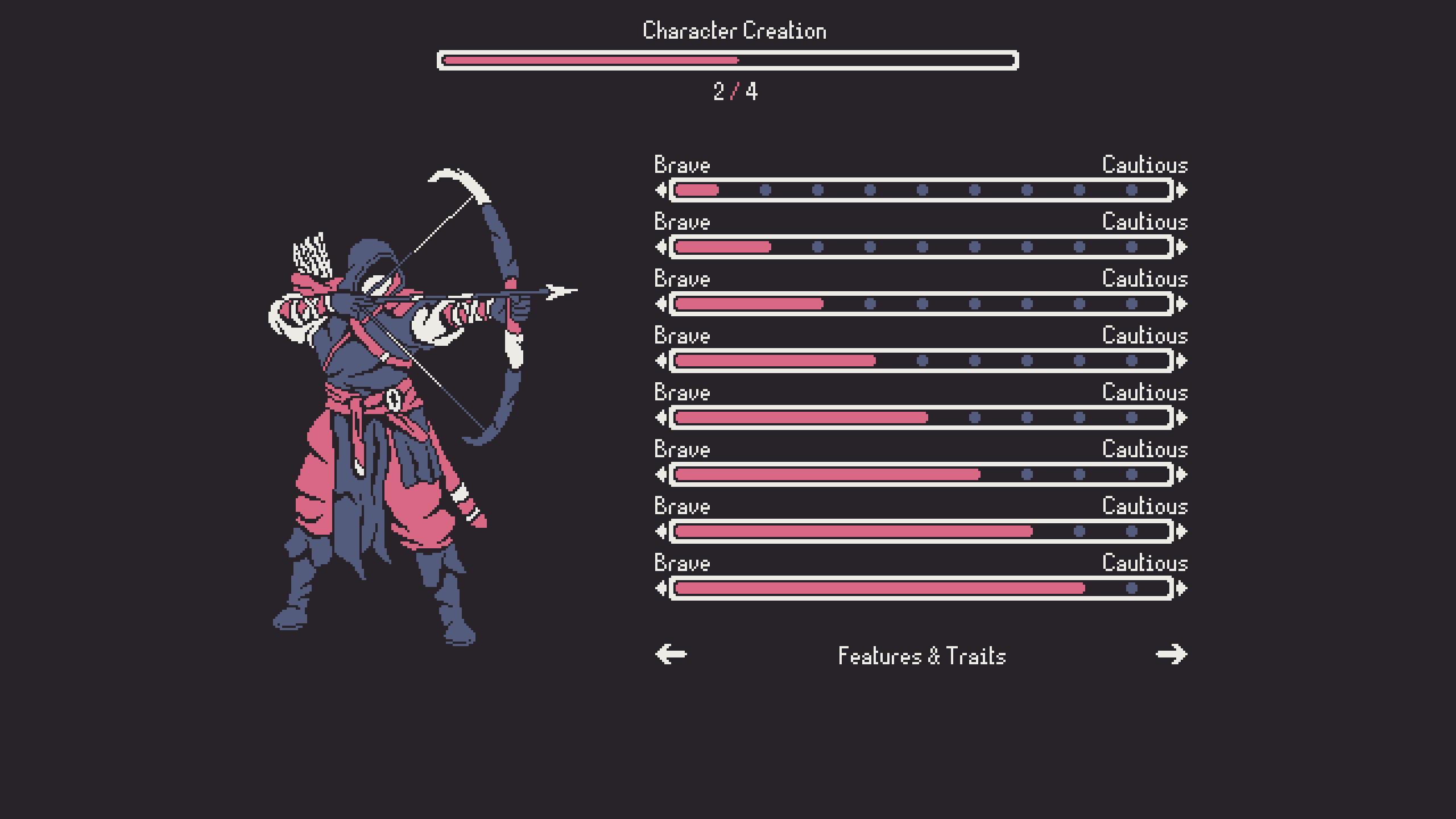
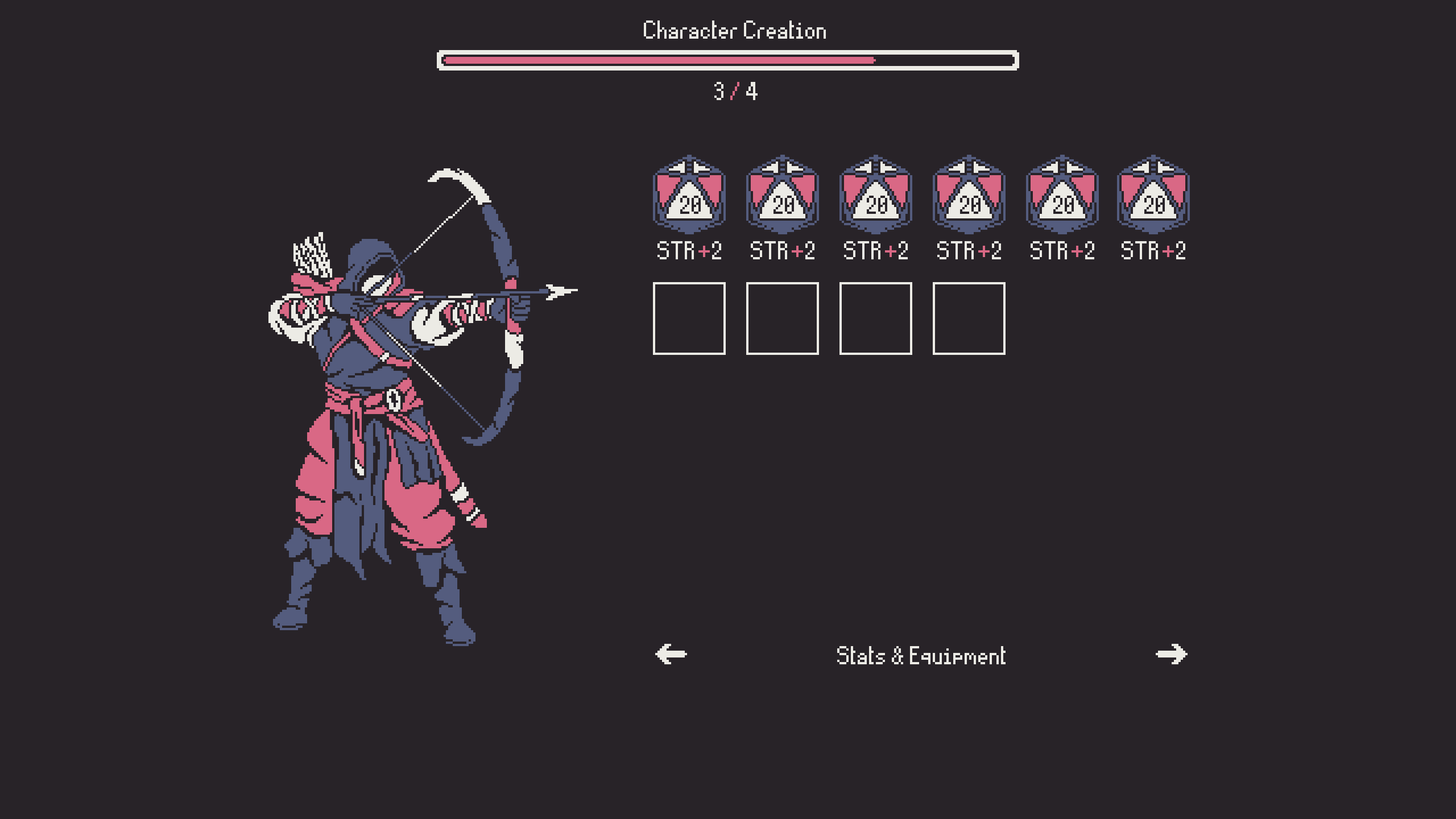
I have always loved game design as a practice, both the visual aspects and the coding/logical aspects. With the rise of publicly accessible LLMs, I had an idea for a development project that I wanted to begin working on just to stretch my skills and explore the possibilities of AI in game-like experiences. This project, while still very much under development, is a modern take on classic text adventure games. As someone who loves the experience of Dungeons and Dragons, I wanted to try and combine that classic text-adventure style with modern AI models to create a freedom-heavy DnD-style game experience where the player is given total control over their actions, words, and future. They are given absolute and total freedom to be whoever they want in this world, and the NPCs and world will adapt and react to however the player chooses to portray themselves.
On the technical side of things, I am using a combination of HTML, CSS, JavaScript, JSON, and Ollama to achieve this prototype. Firstly, I designed a completely custom HTML Canvas for the classic pixel art style to be pixel-perfect, with the UI also being fully functional. Then, in the actual game logic, the information systems work with a combination of JavaScript logic pulling information and saving it to either JSON files or Markdown files. There are many of both file types that contain various information, from world lore to game rules to map nodes and more. Now for the actual LLM usage, there are a few. The goal is to have multiple different LLMs with different functions act together as a Dungeon Master of sorts. For example, the NPC bot is fed that NPC's character sheet, the player's character sheet, the world lore and rules, and some basic contextual instructions. This is only temporary while the basic game loop is being developed, as I am planning on implimenting both a RAG system and other contextual tools for the LLMs to have smaller, consistent knowledge chunks. The NPCs also have extensive memories, with current conversations being saved to a JSON, and older interactions being summerized and appended as memory chunks.
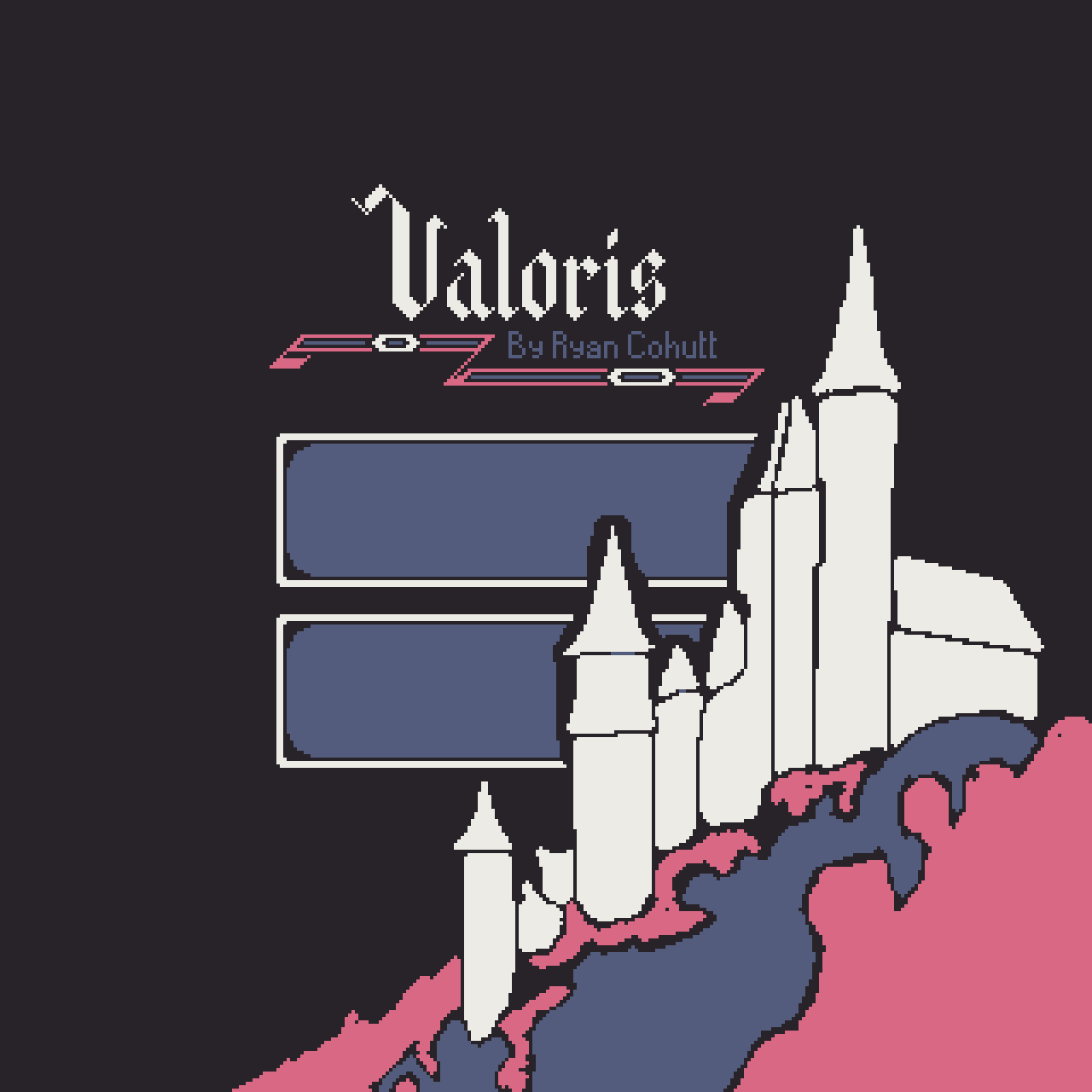
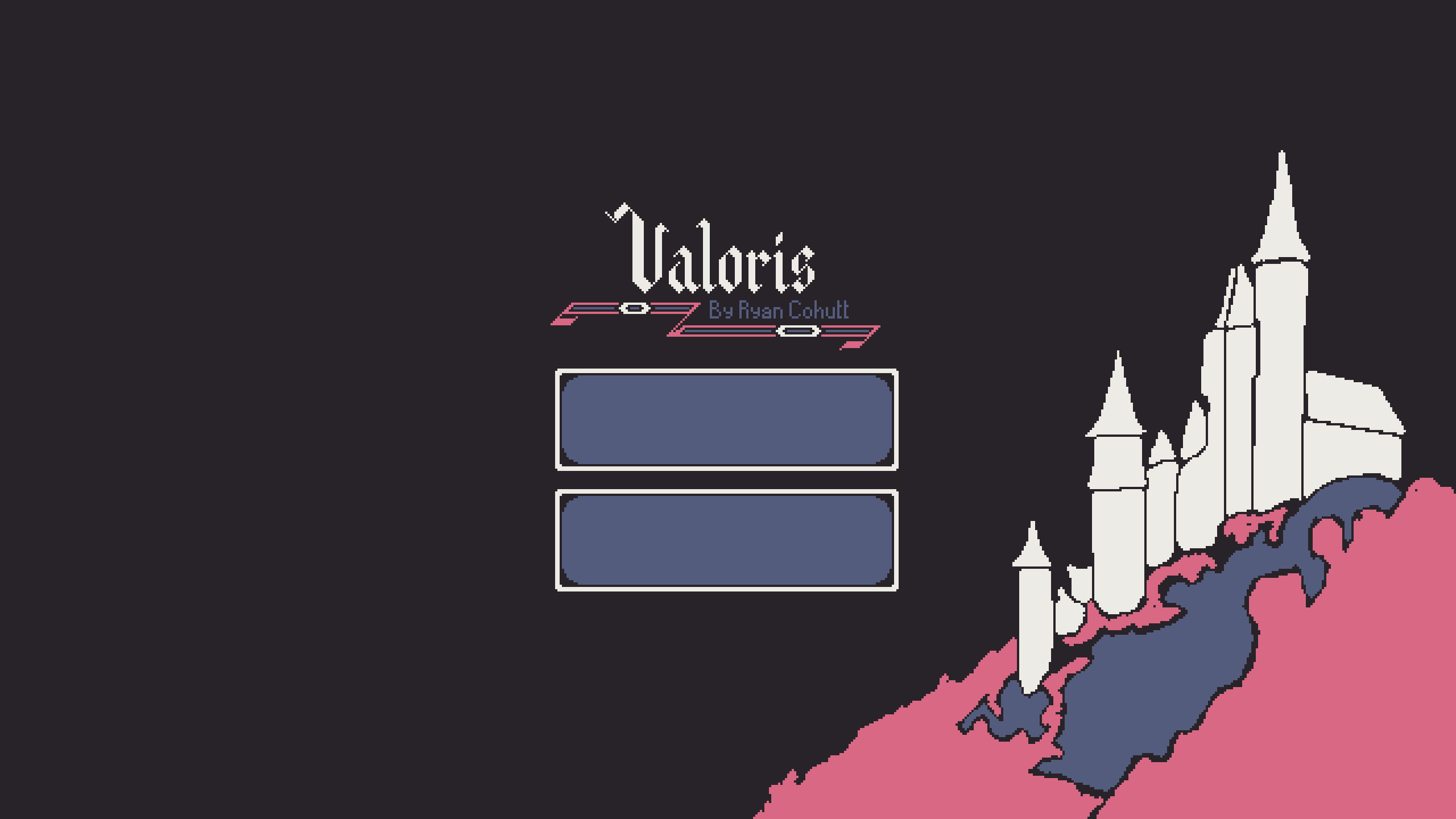
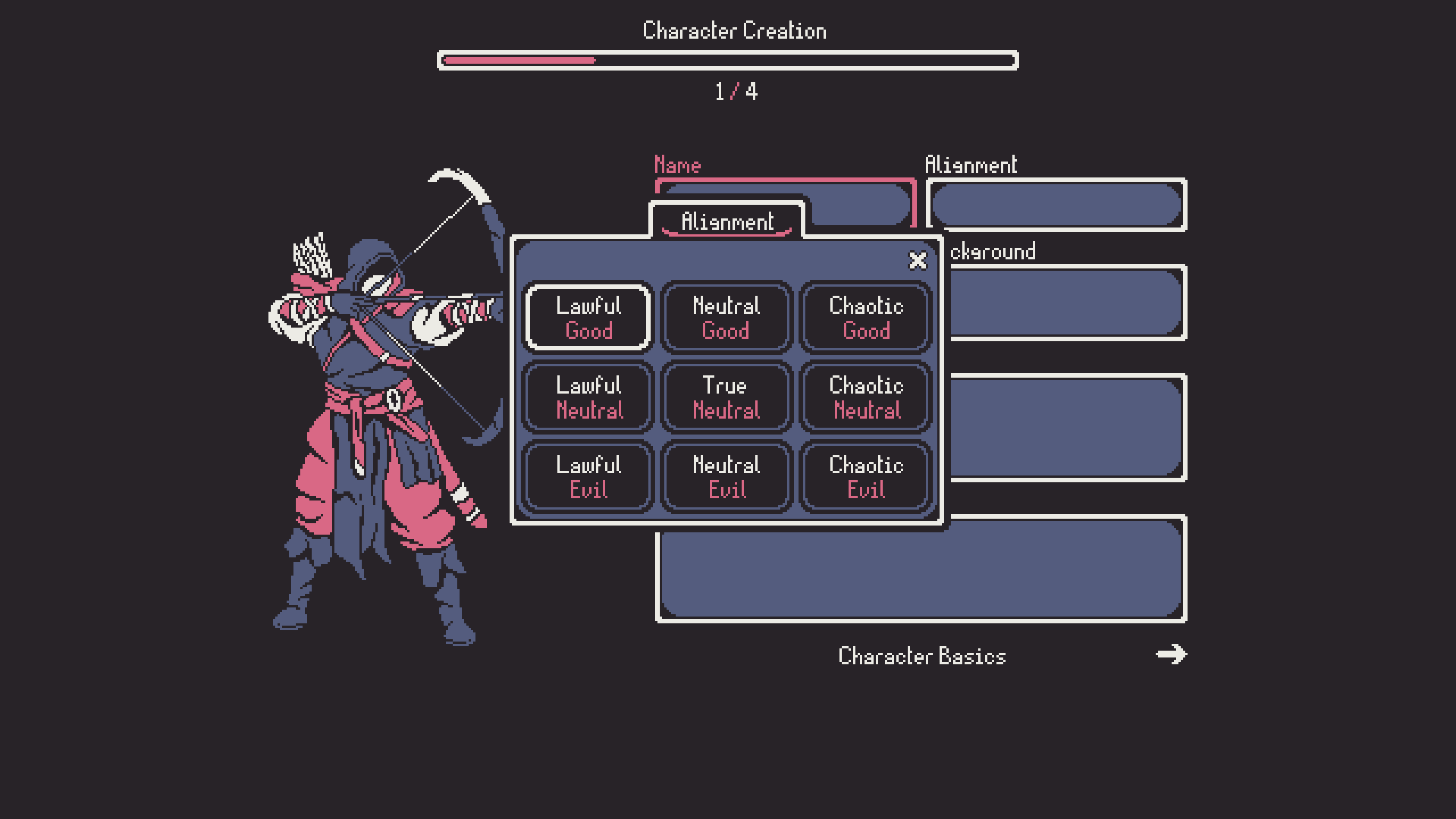
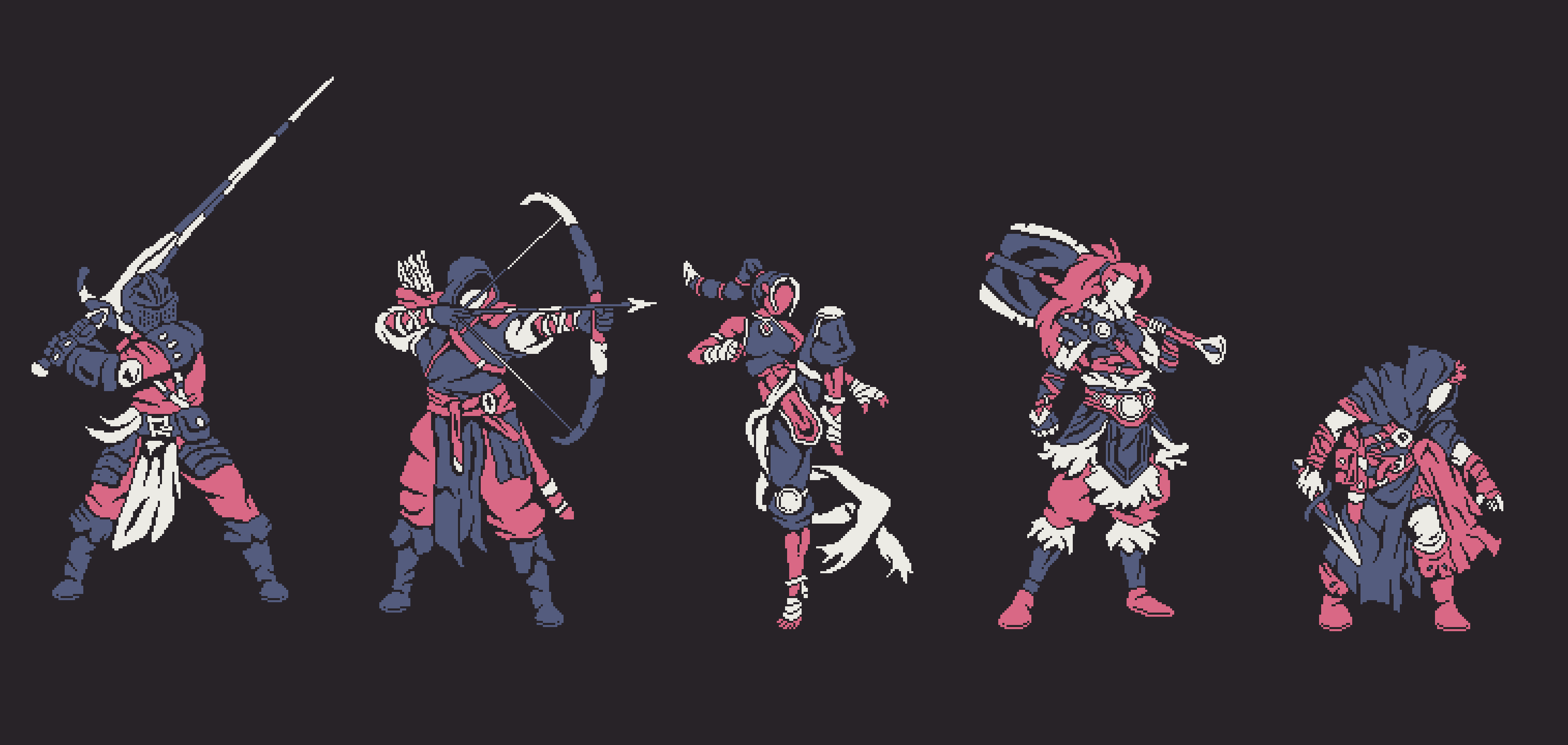
Here are a few of the assets/screens I designed from scratch for the interface and experience. Some of them (like the title & stats screen) are still being designed fully, but this is the general look and feel I am striving for.
Here is a dev test of my current version - it does not have any of the visuals currently while I still work on the logic and functionality. In it you can see how the character creator leads into the world introduction and NPC interaction functions. In this beginning loop, the player approaches the gate of a city, and has to talk to and convince the gate guard to let them into the city, which then triggers the location change as they enter and an introduction to the city.
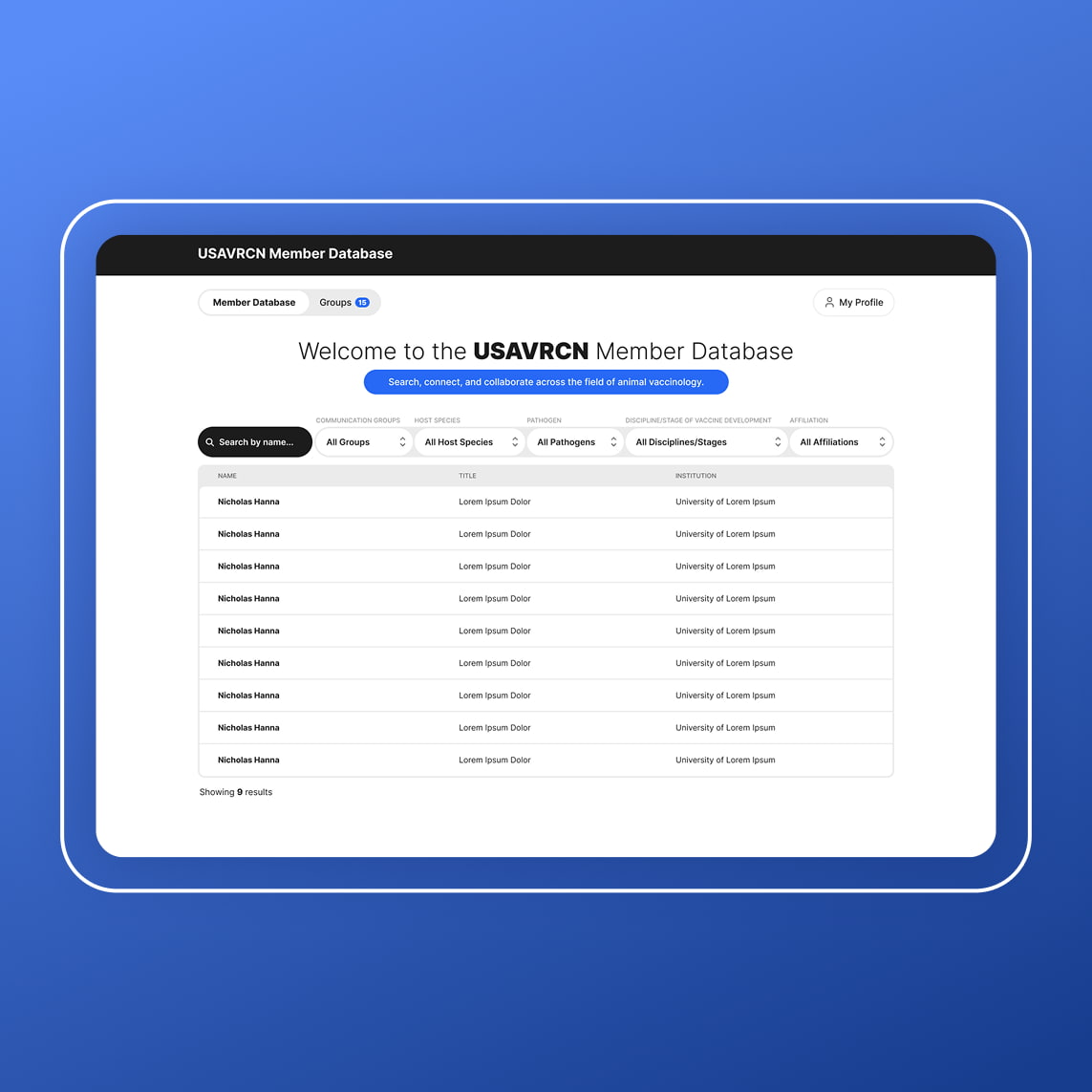
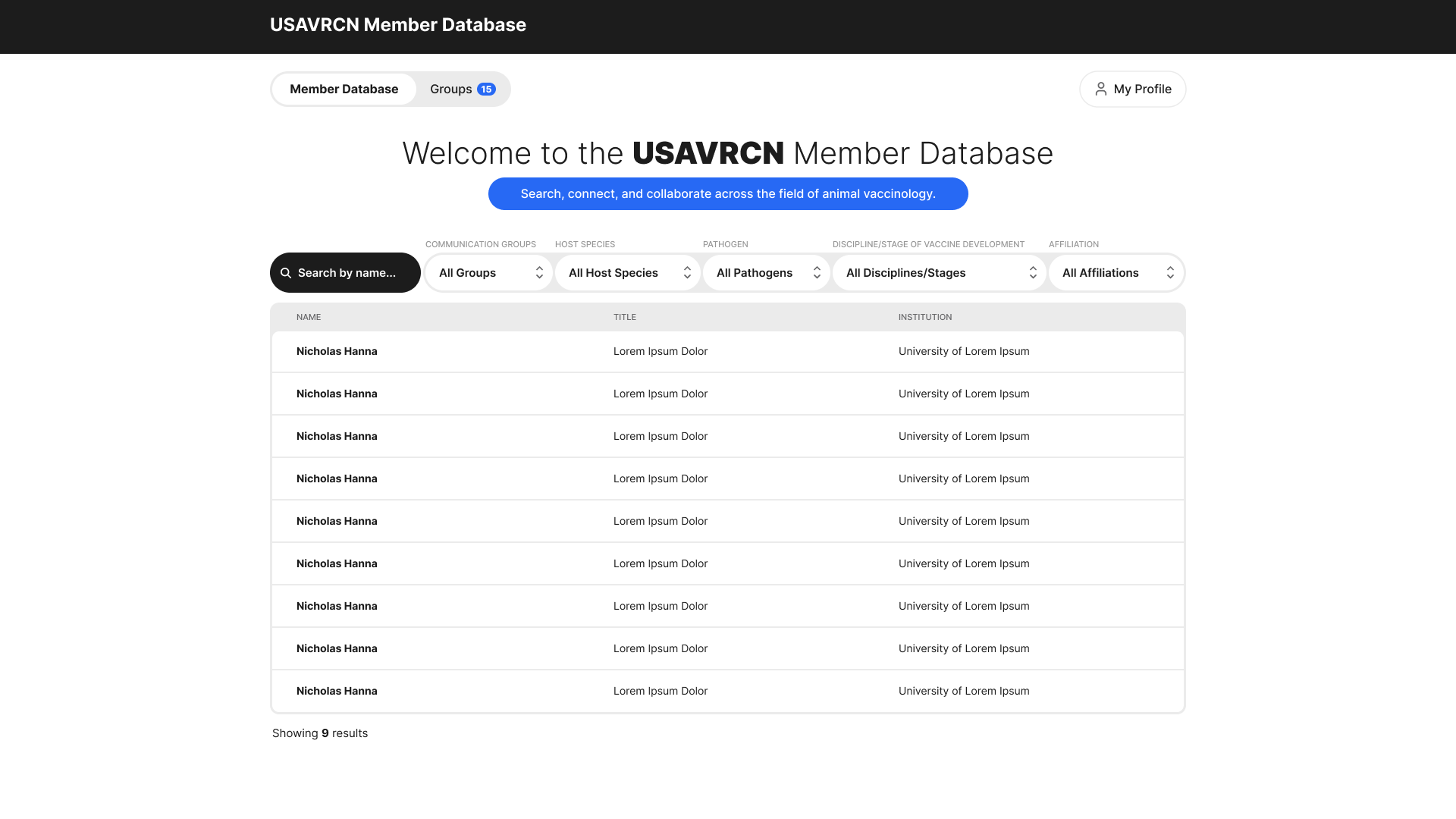
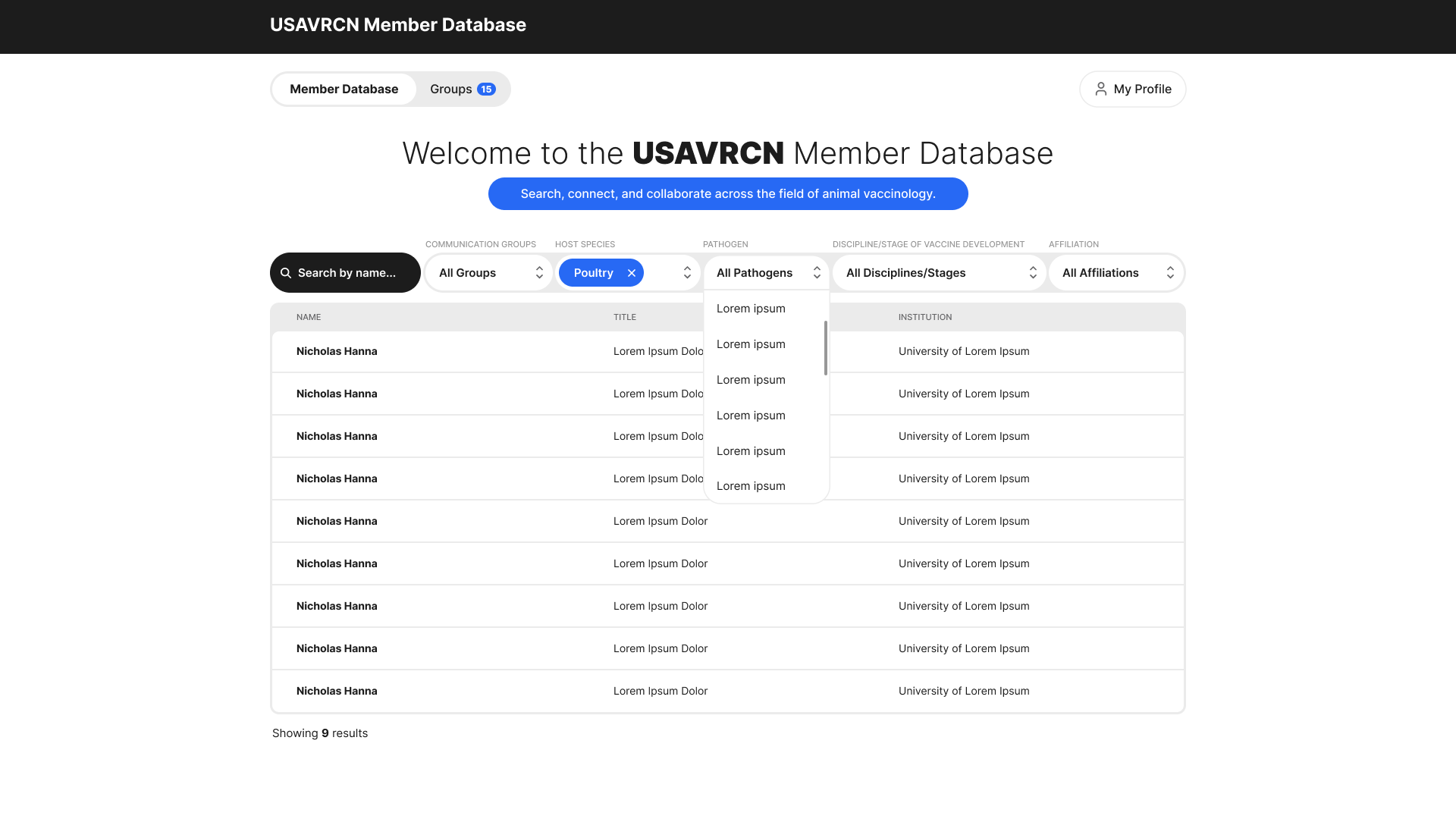
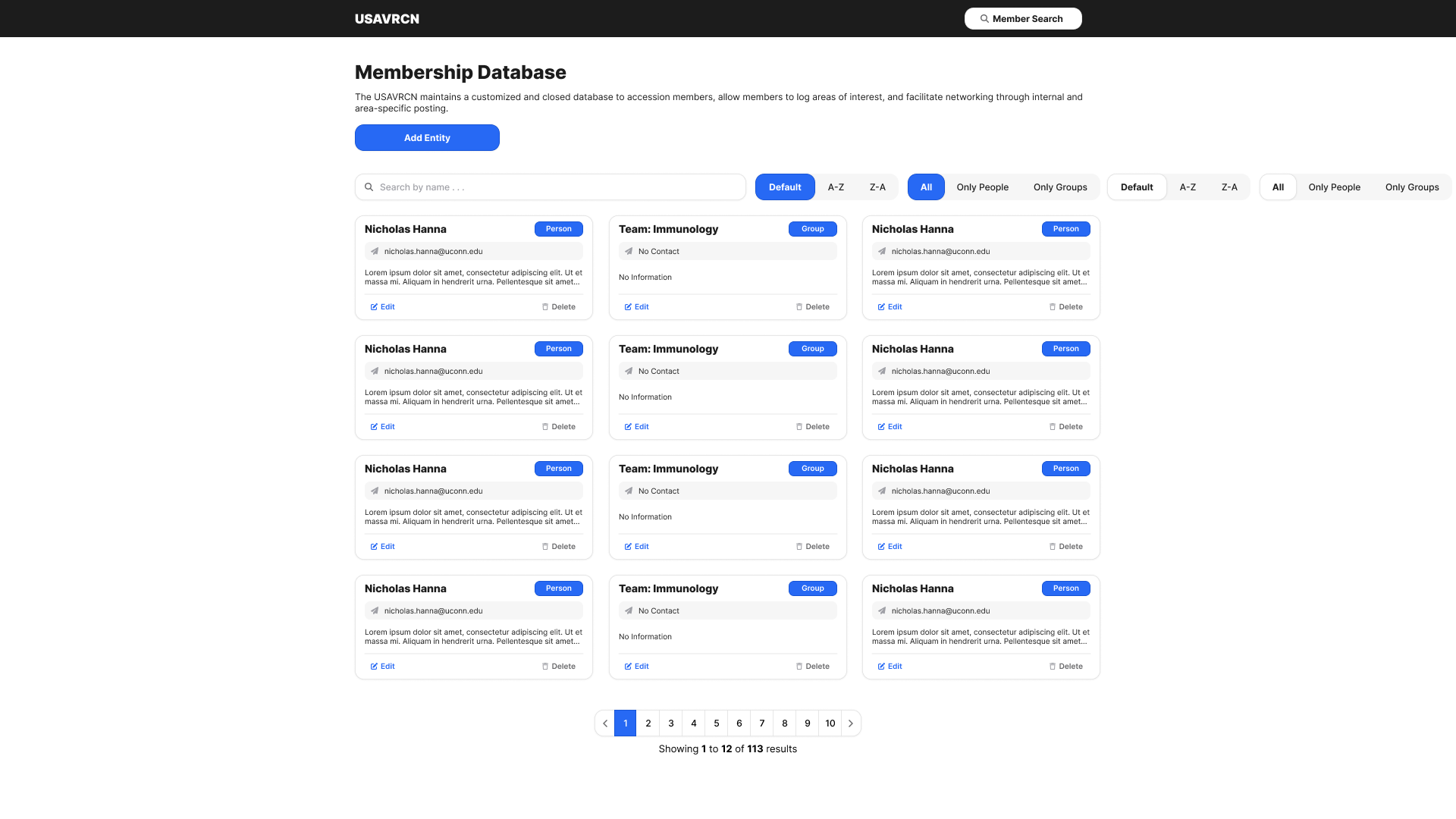
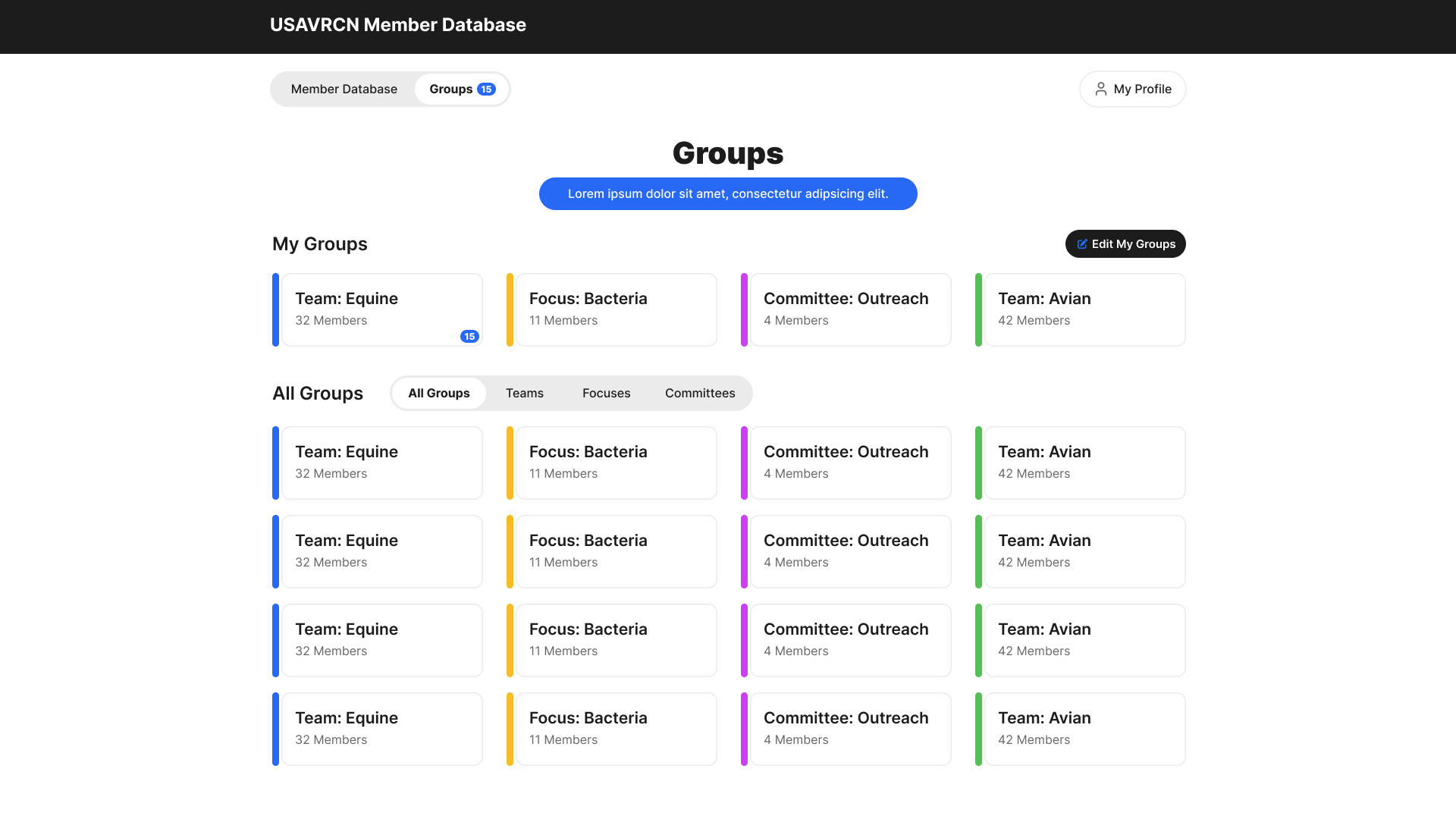
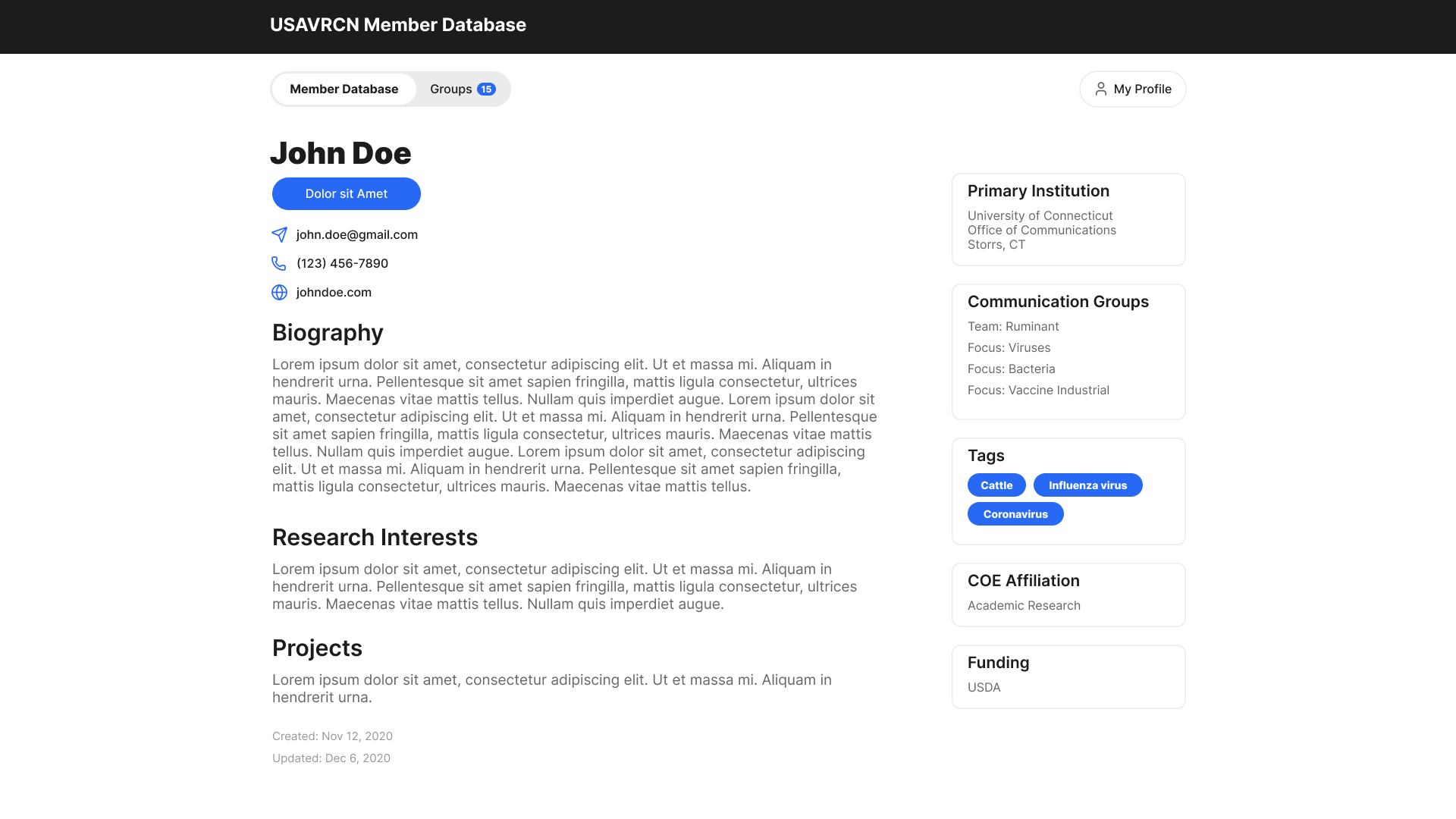
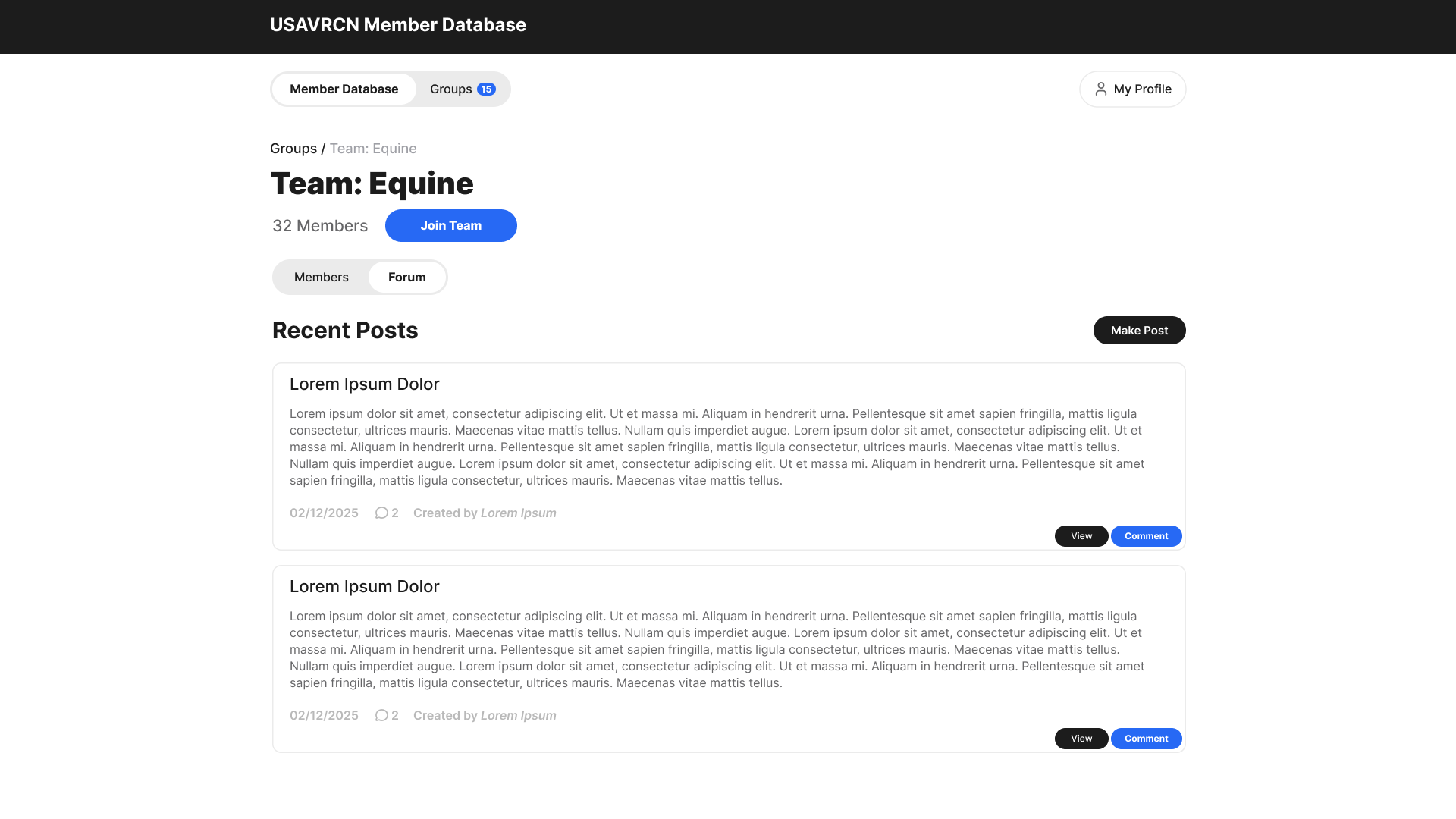
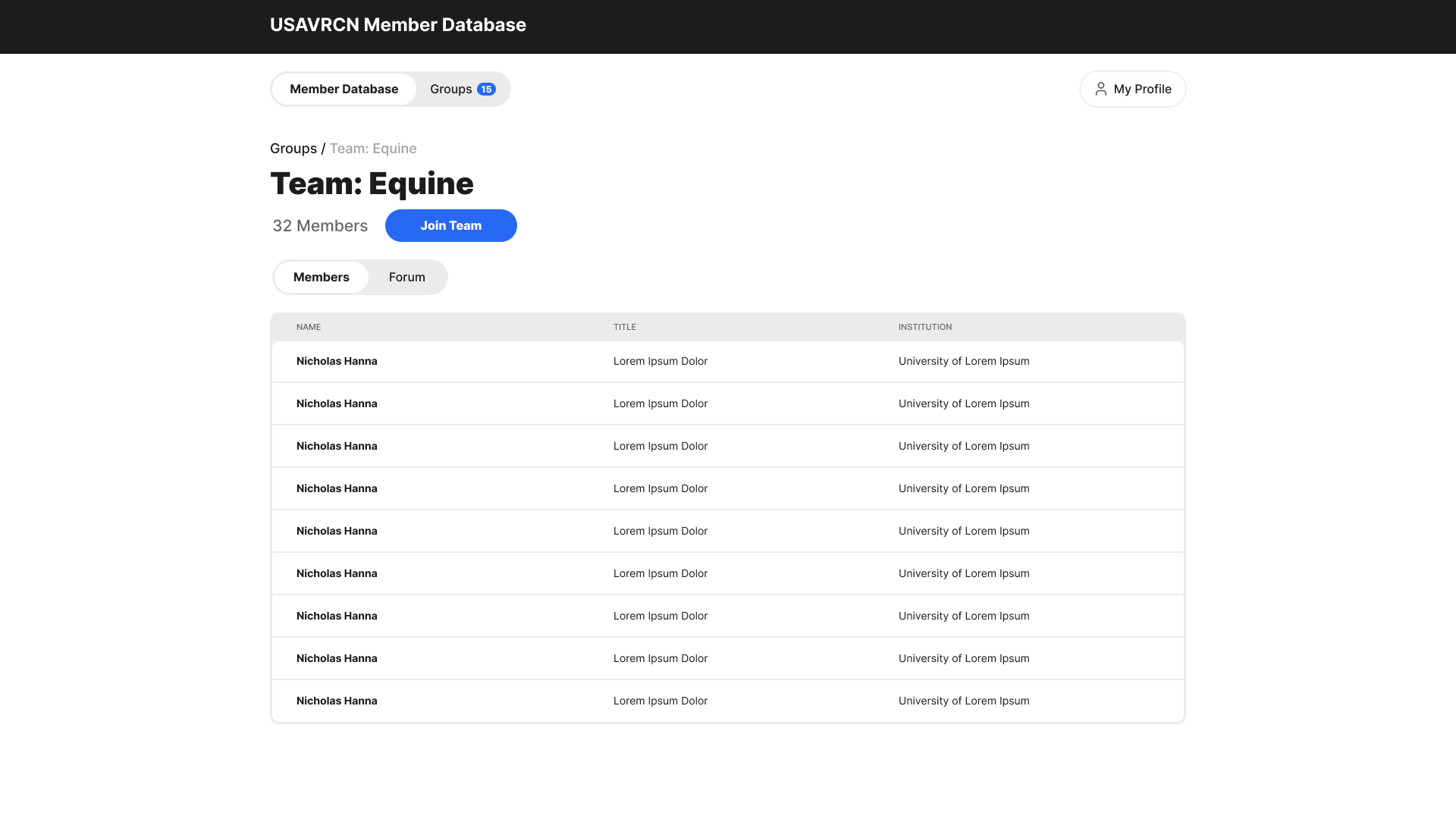
USAVRCN is an animal vaccinology database for which I designed the frontend. This project was meant to be a database where information on experts, researchers, specific vaccines, pathogens, etc. could be found. While the design is mostly modern and simplistic, my effort was mainly spent on the user experience side of this project, as the large amounts of information that needed to be accessible made site organization more complex.
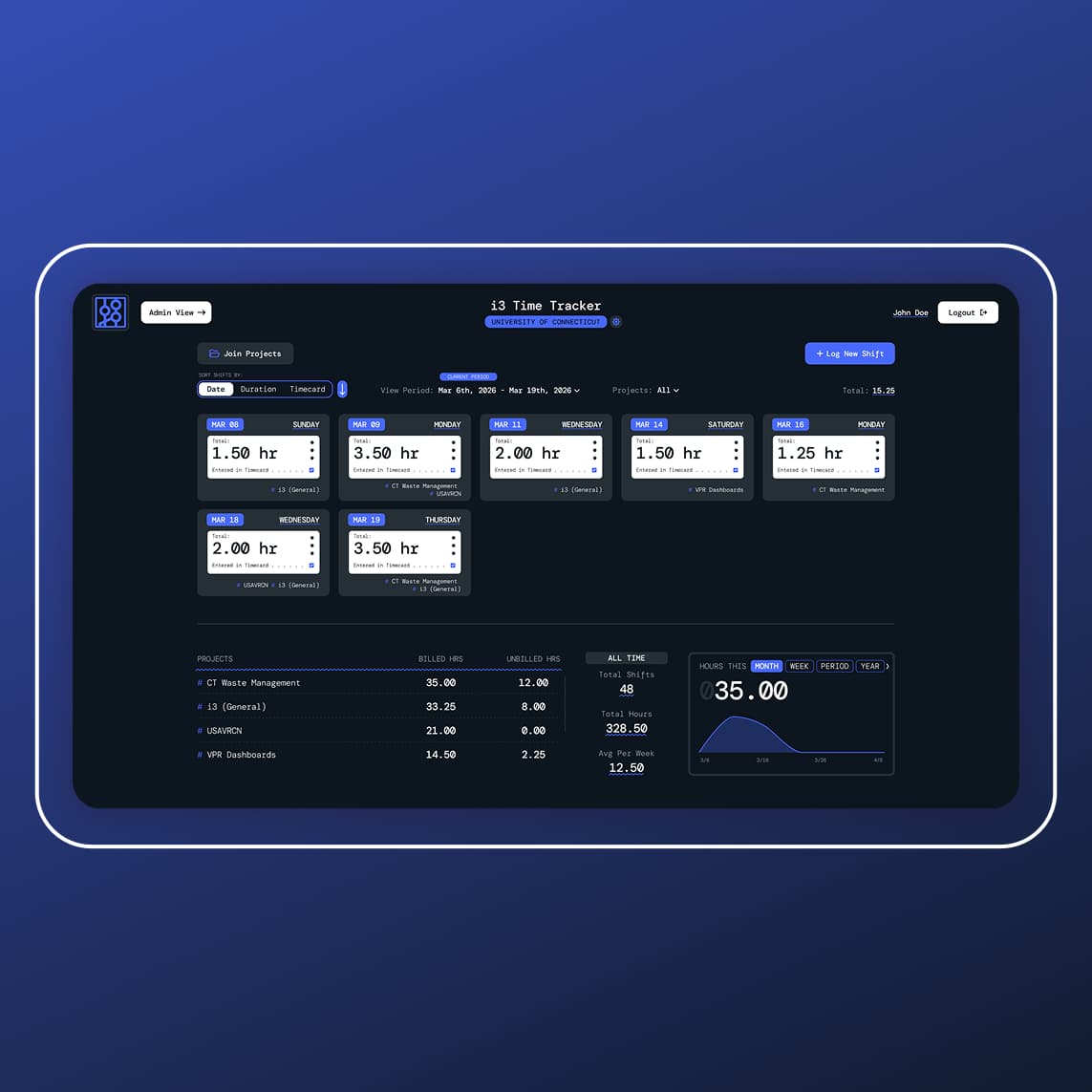
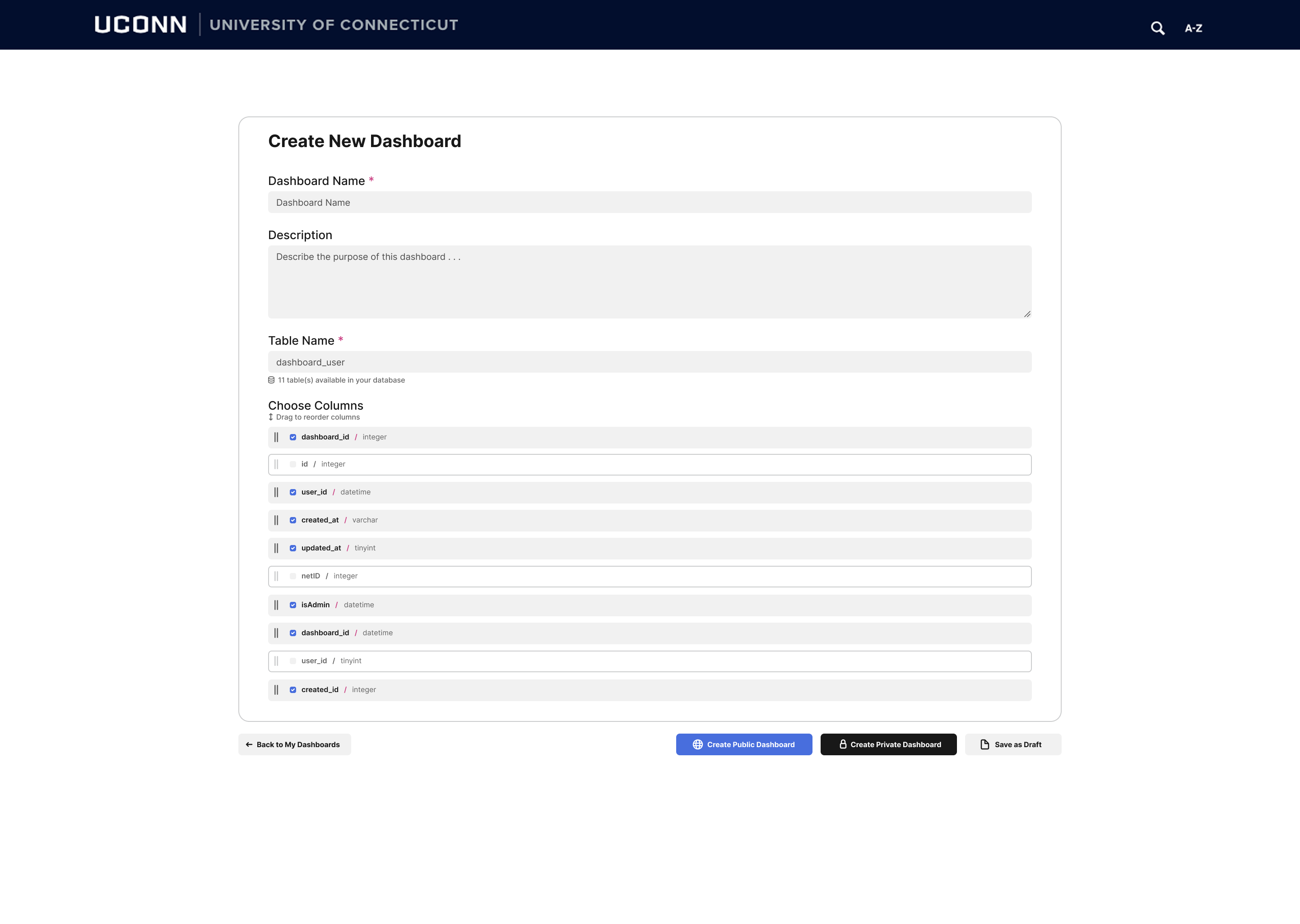
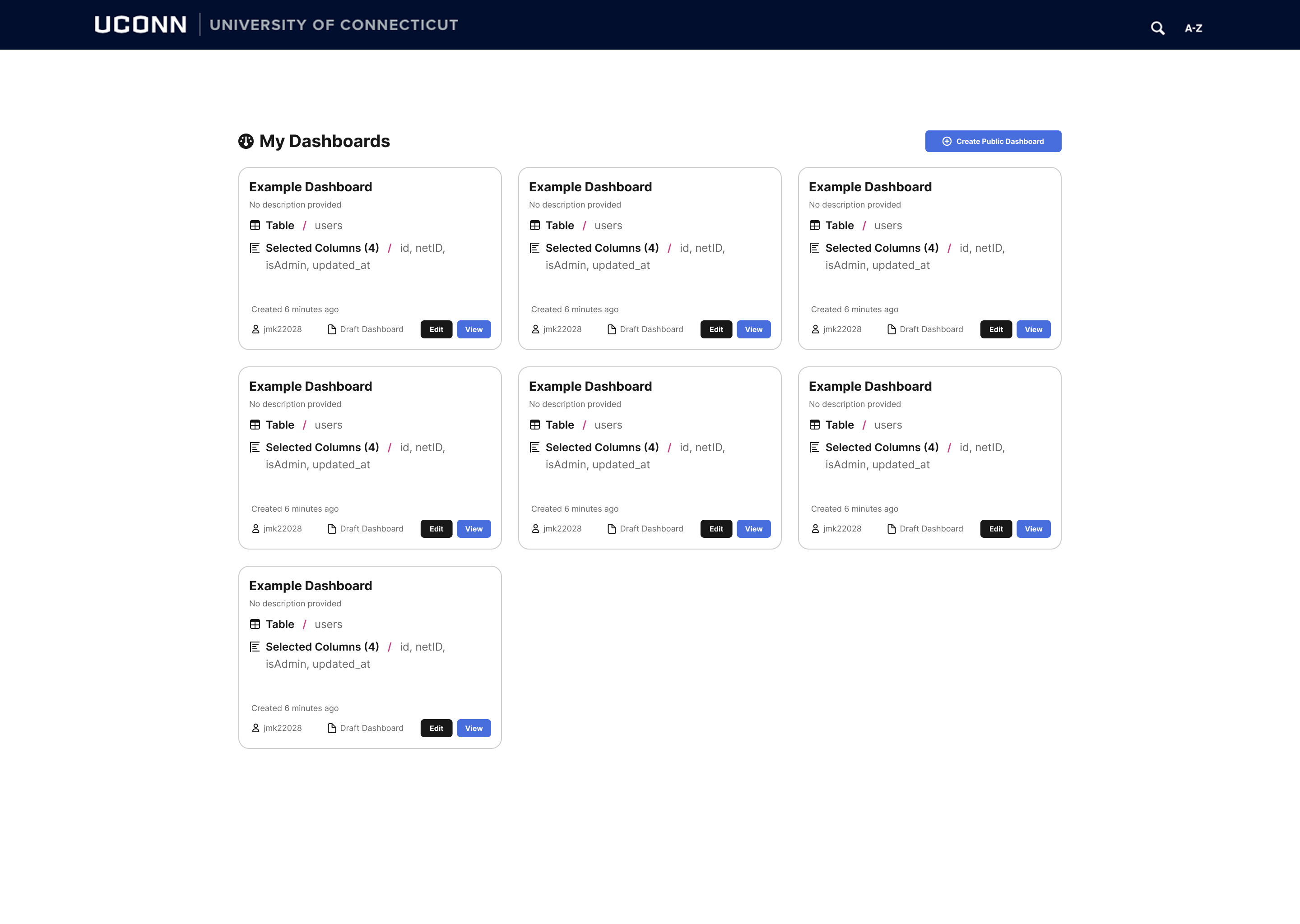
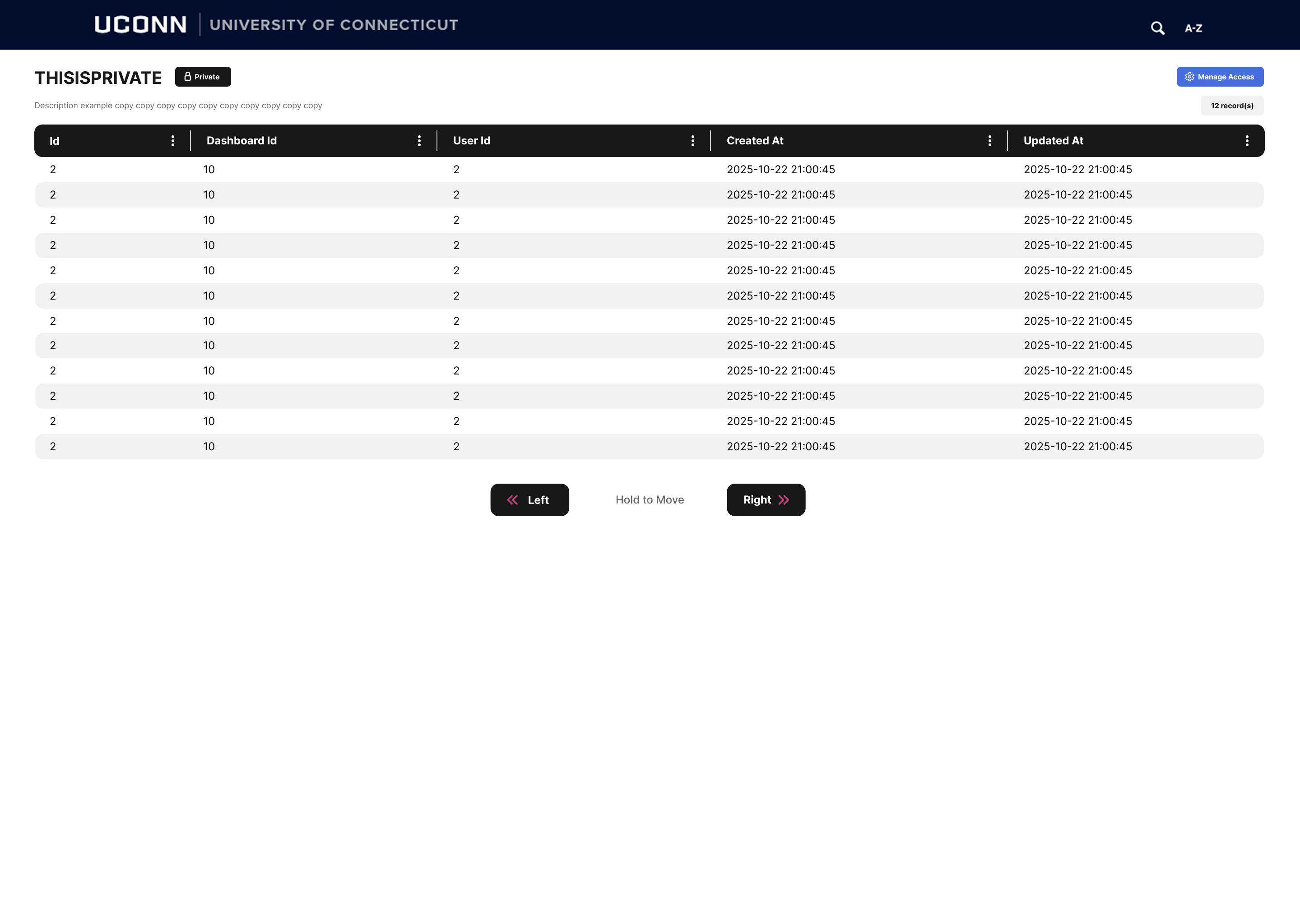
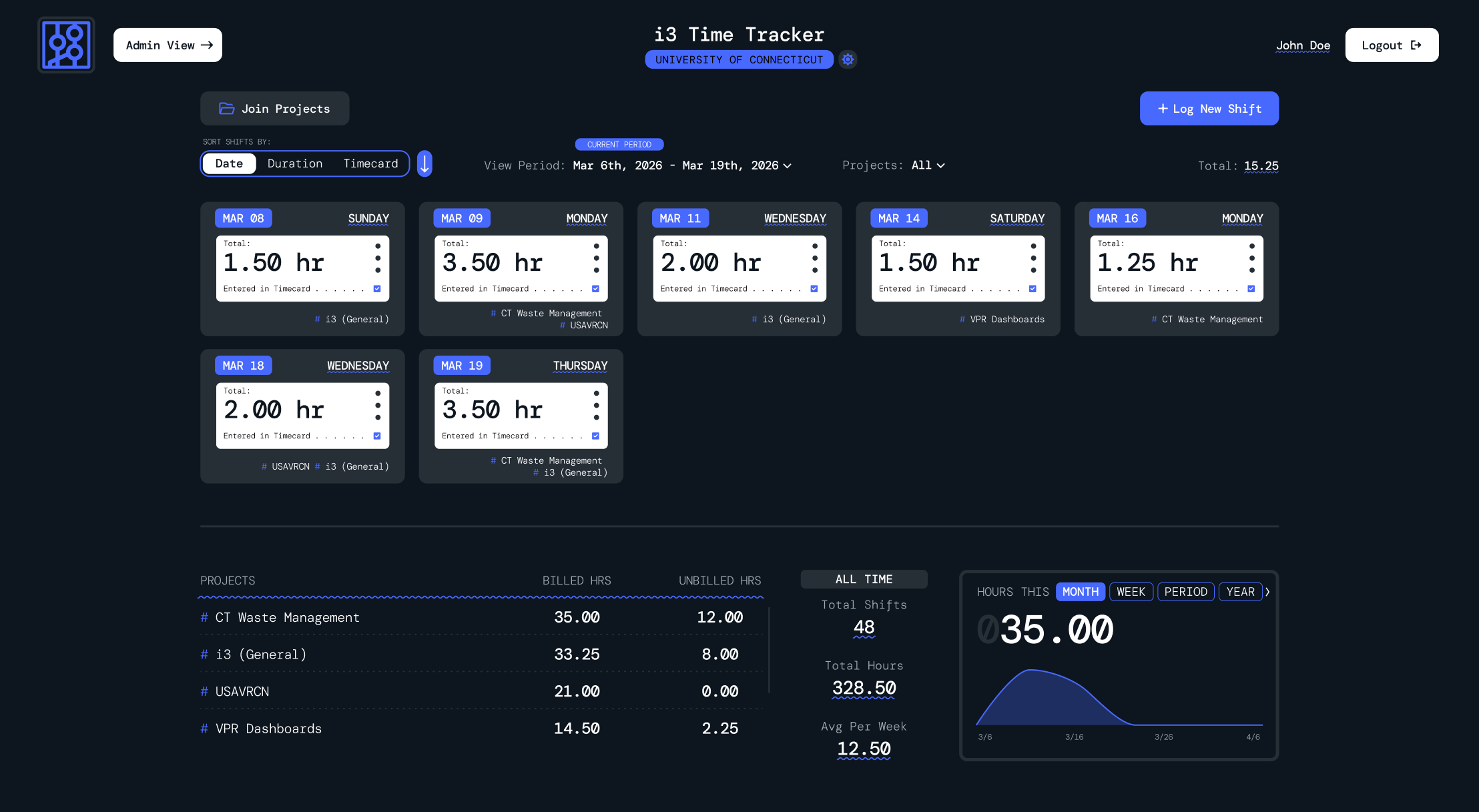
VPR Dashboards is a tool for which I designed the frontend. This project is a tool for companies with large amounts of datasets to generate custom dashboards and dataset views to organize and sort more efficiently. During the design phase, I worked closely with the backend developer to ensure organization and page interactions were simple and straight-forward due to the excessive amount of data that will be present in each custom dashboard.
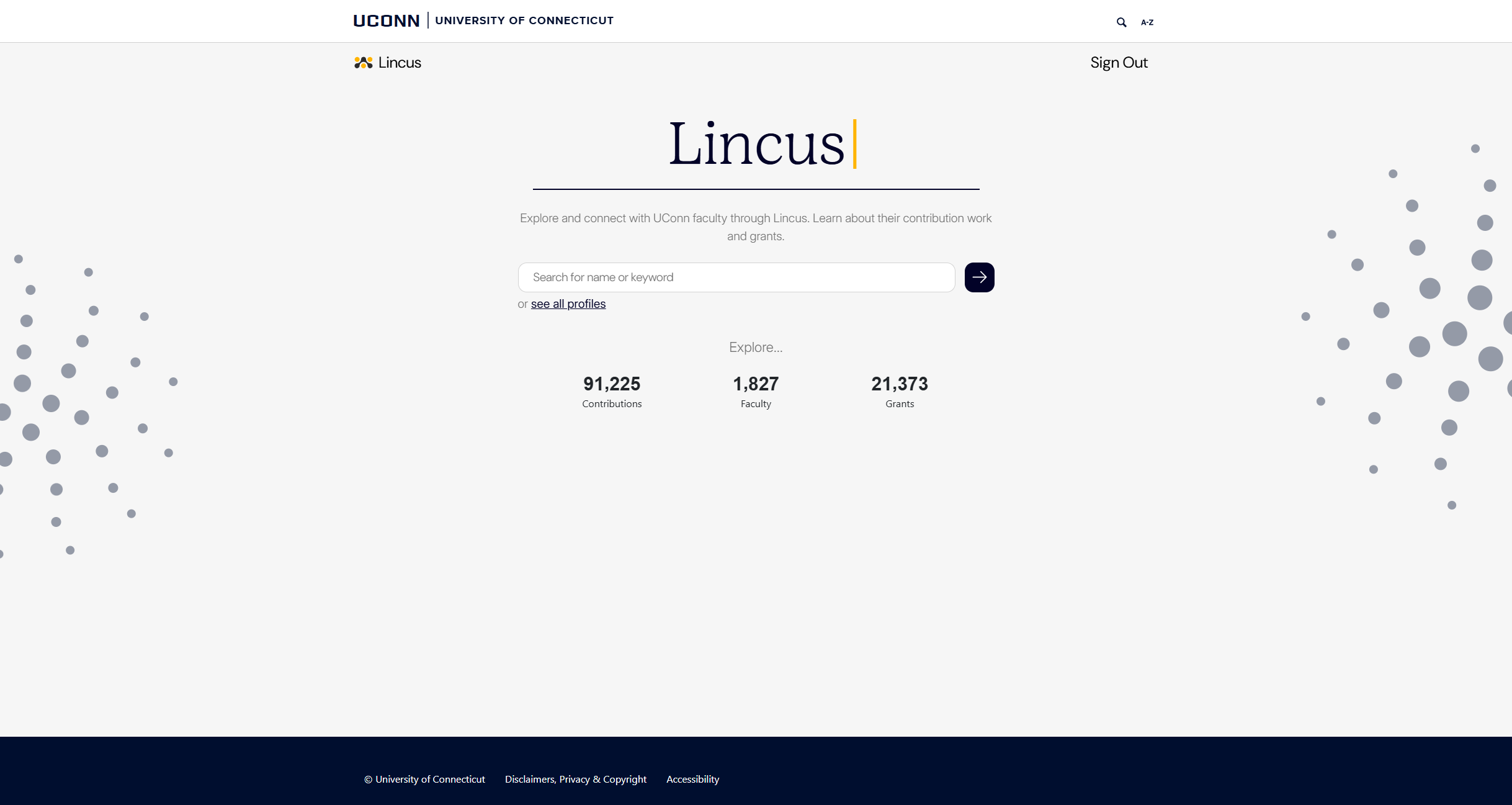
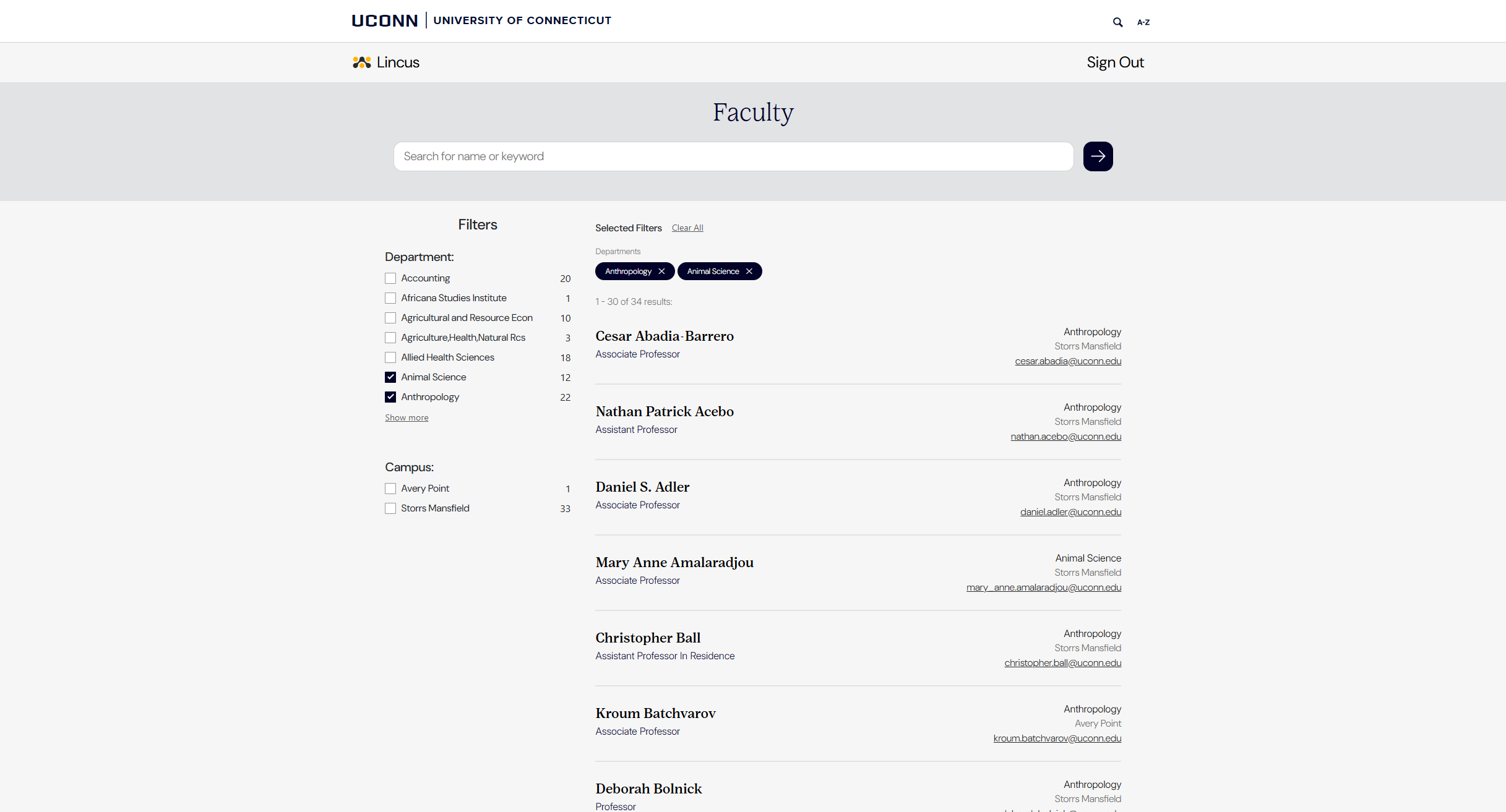
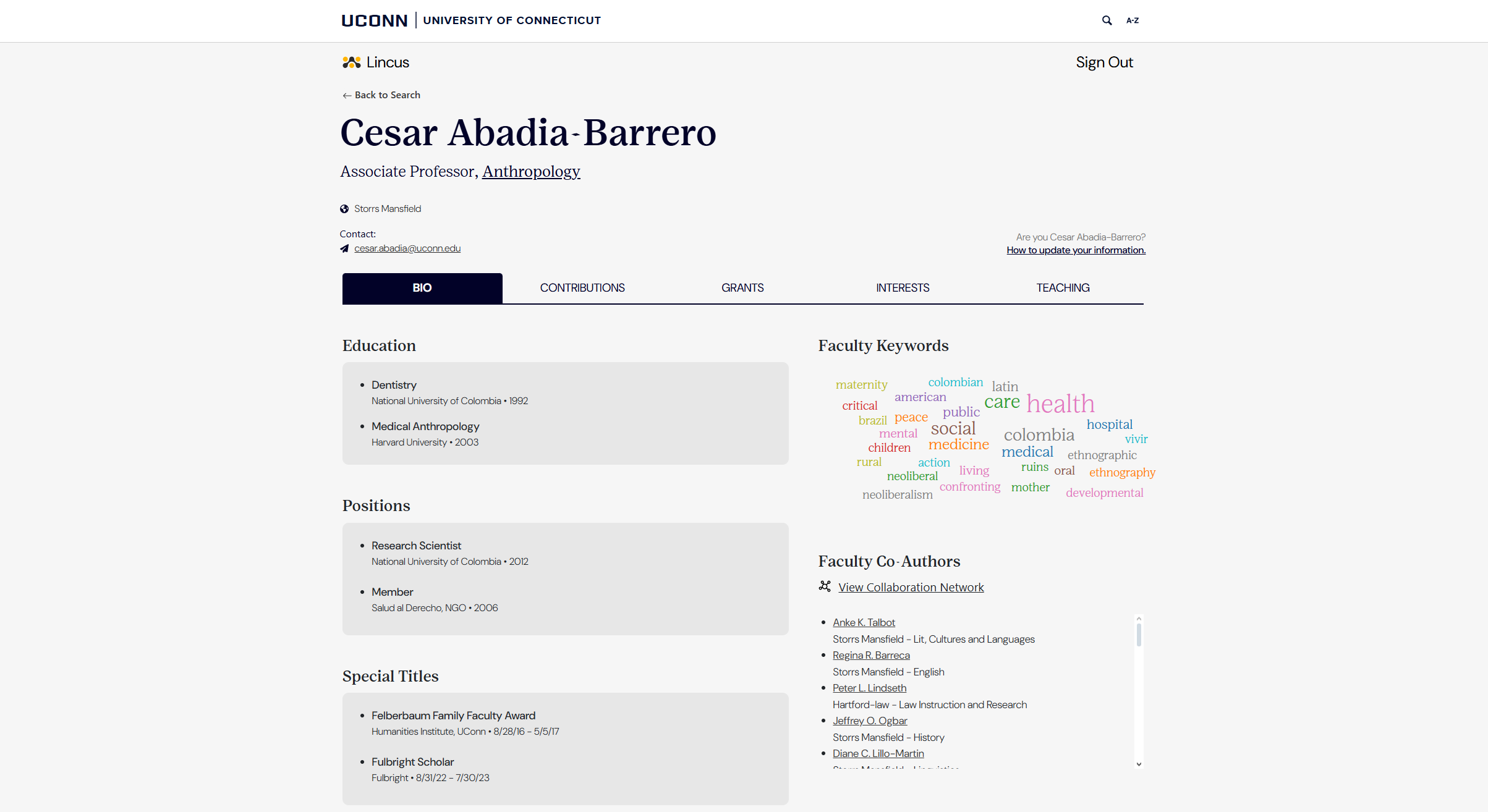
Lincus is a tool for connecting with and learning about different UConn researchers and faculty, mainly focusing on their individual work and grants. I designed and developed the frontend for this project while working closely with the backend developer to decide the best methods to organize the faculty information and pages. For the design itself, I leaned more into a minimalist, professional aesthetic to fit the subject matter of the project.
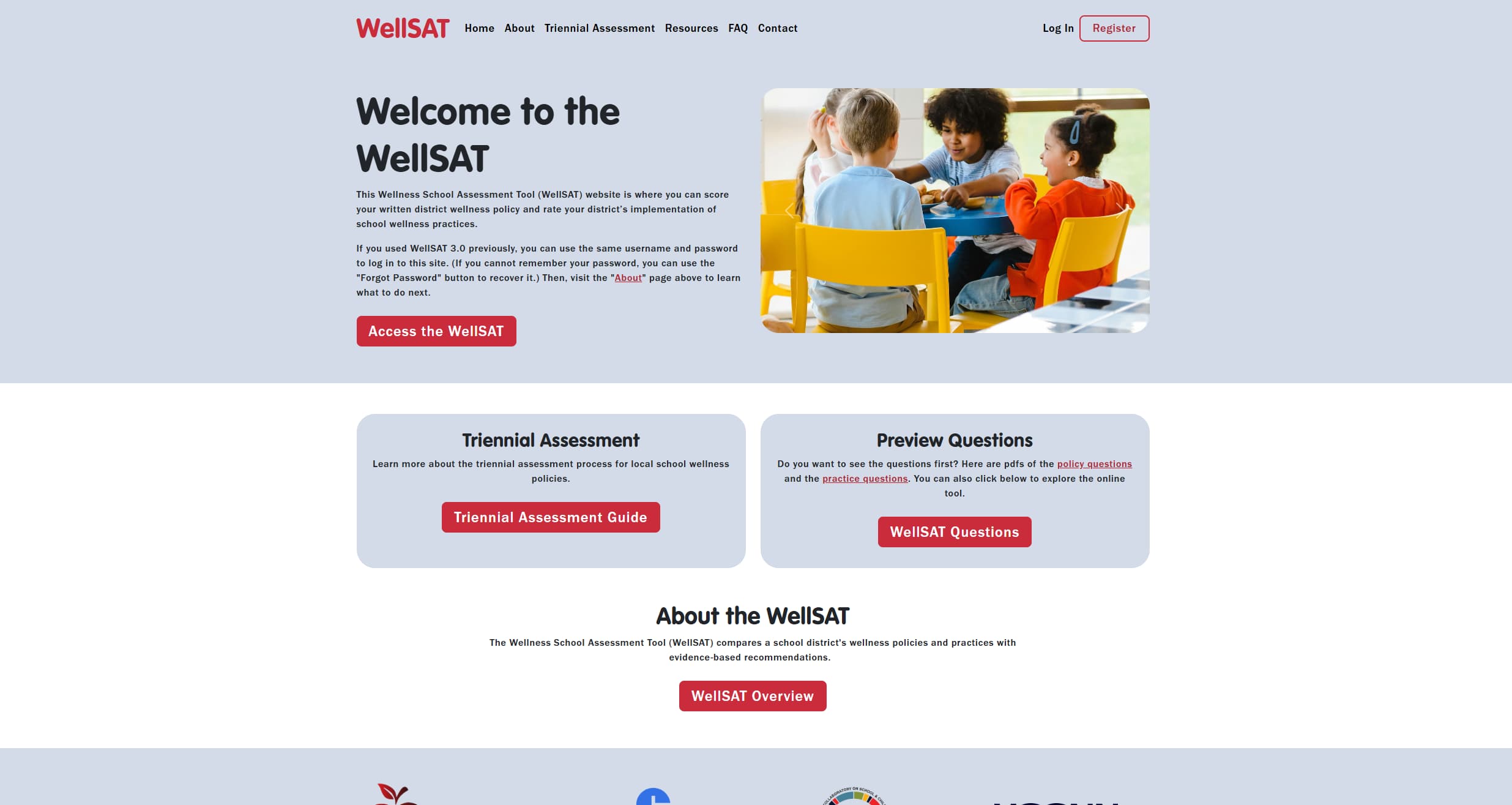
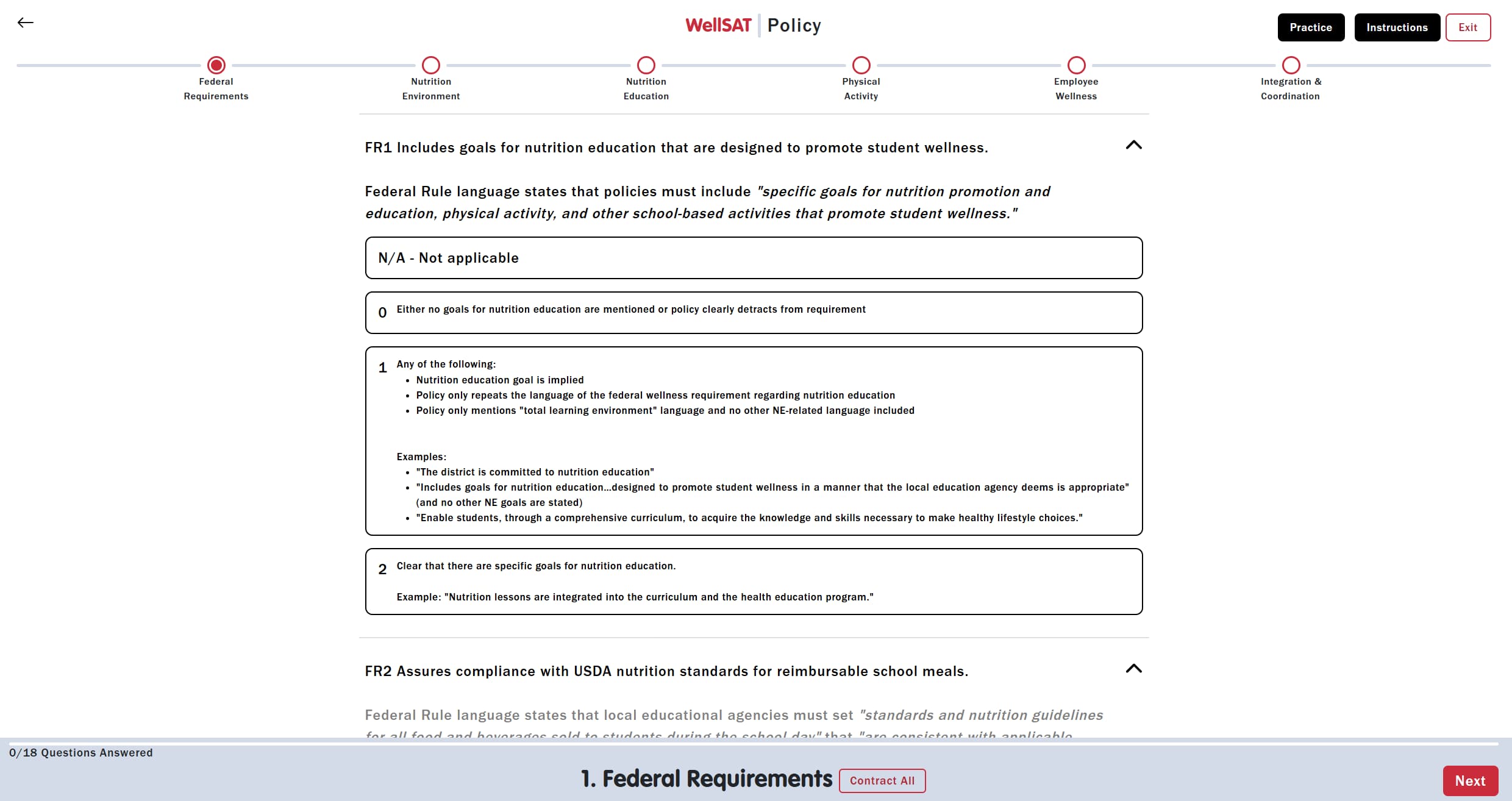
WellSAT, or Wellness School Assessment Tool, is a website focused on helping school districts score and rate their wellness policies and the implementation of their wellness practices. For this project, I designed the site and coded the frontend from scratch, while working closely with their in-house developer who primarily helped migrate old data over from the old site. The main feature of the site is in the actual assessment district managers take in order to score their school’s policies and practices, and this is where the majority of my effort during this project was directed.
This is the website I designed and coded for Island Cove Marina. Before I received the project, their old site was very outdated and very hard to maneuver. For my redesign, I wanted to focus on solving their main concern and prioritized simplicity and ease of use, along with ease of maintenance on their part. I built the frontend in HTML and CSS, and then used JavaScript for the rest of the element logic along with the backend interactions with the boat and motor datasets.
2020-2024
Company description goes here...